 Skip to content
101 Proven Tips to Supercharge Your Weight Loss with Fasting
Ready to embark on a transformative weight loss journey? We’ve compiled 101 actionable fasting tips that can help you shed pounds effectively and sustainably. Whether you’re new to fasting or looking to enhance your current regimen, these insights are tailored to guide you every step of the way. Let’s dive into these expert-backed strategies to achieve your weight loss goals.
Table of Contents
- Understanding Fasting
- Preparing for Fasting
- During the Fast
- Breaking the Fast
- Exercise and Fasting
- Hydration and Supplements
- Monitoring Progress
- Overcoming Challenges
Understanding Fasting
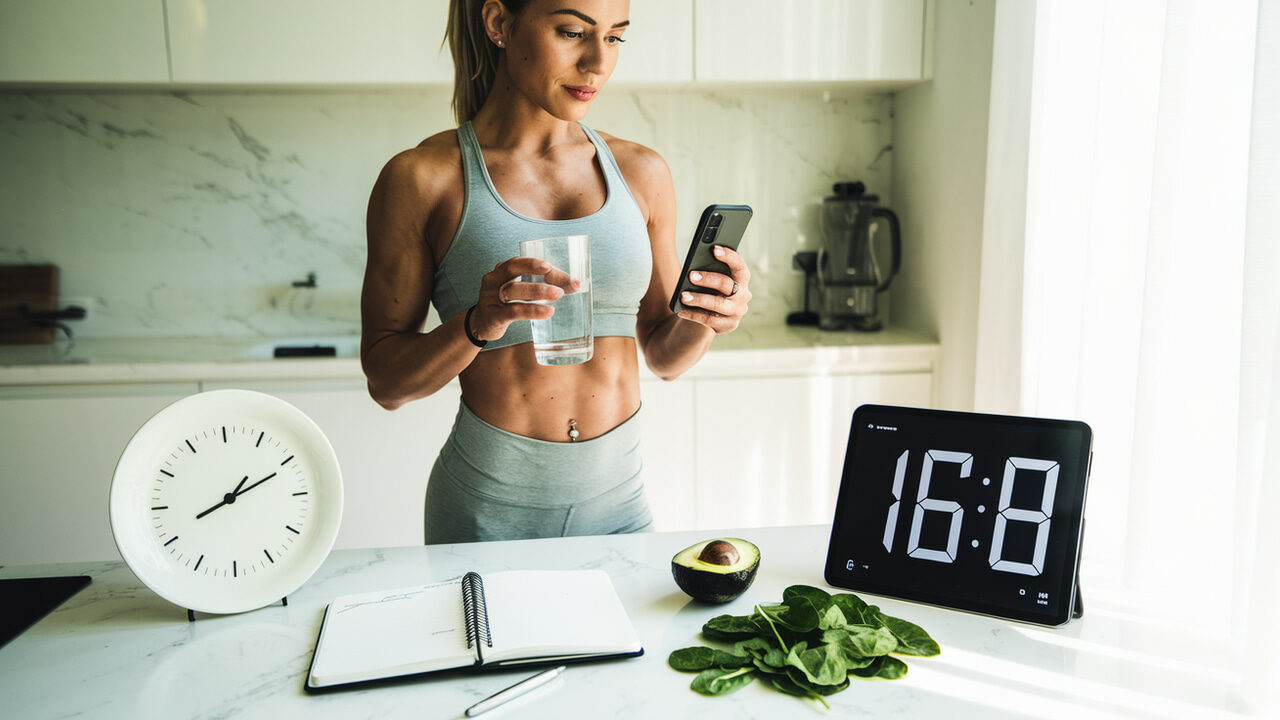
Fasting isn’t just skipping meals. It’s a strategic tool for weight loss, energy, and clarity.
But here’s the kicker: not all fasting styles work the same.
The trick? Find the one that fits you. Your schedule. Your goals. Your life.
Let’s break them down—so you can pick the method that works, not just the one that sounds cool.
Fasting has been around forever—but lately, it’s become the go-to method for fat loss, better focus, and metabolic upgrades.
The best part? There’s no one-size-fits-all.
From skipping a meal here and there to eating just once a day, there’s a fasting style for every lifestyle.
This section gives you a rapid-fire overview of the top fasting methods—what they are, how they work, and why they might be right (or wrong) for you.
Ready to find your fasting fit? Let’s go.
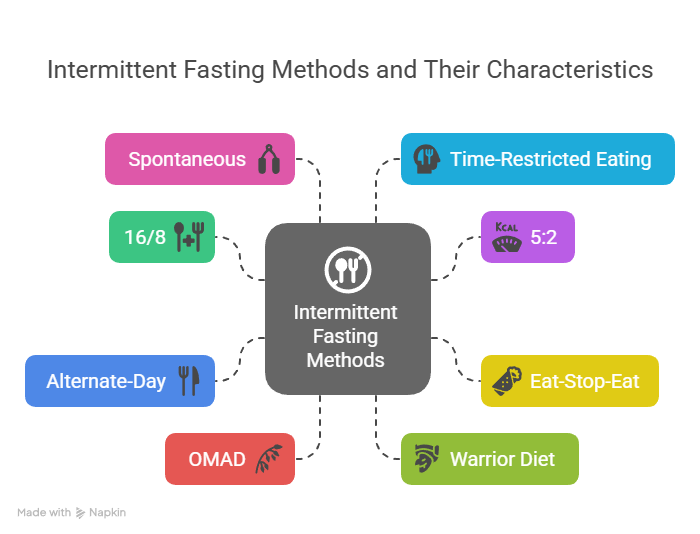
TL;DR:
-
16/8: Daily eating window. Great for beginners.
-
5:2: Eat normally most days, cut calories twice a week.
-
Eat-Stop-Eat / Full-Day: 24-hour fast once or twice a week.
-
Alternate-Day: Eat every other day or eat less every other day.
-
OMAD: One big meal a day. Hardcore but effective.
-
Warrior Diet: Snack lightly, feast at night. Old-school style.
-
Spontaneous / 12:12: Casual skipping. Great for flexibility.
-
Time-Restricted Eating: Like 16/8, but more customizable.
Pro tip: Start with the easiest one that fits your schedule. Then tweak as you go.
1. 16/8 Method
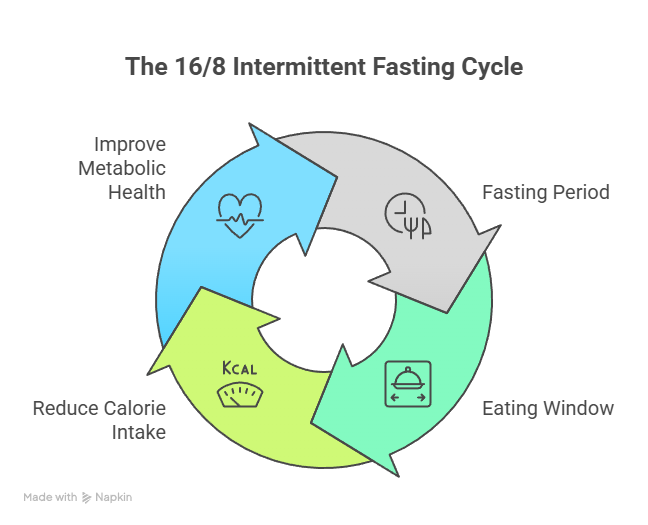
Imagine losing weight without counting calories. The 16/8 method lets you eat during an 8-hour window and fast for the remaining 16 hours. For instance, you might eat between noon and 8 p.m., skipping breakfast. This approach can help reduce calorie intake and improve metabolic health.
- Simple daily routine
- Supports weight loss
- Enhances metabolic health
2. 5:2 Diet
What if you could eat normally five days a week and still lose weight? The 5:2 diet allows you to eat regularly for five days and restrict calories to 500-600 on two non-consecutive days. This flexibility makes it easier to stick with and can lead to significant weight loss.
- Flexible fasting schedule
- Easy to maintain
- Effective for weight loss
3. Eat-Stop-Eat
Ever considered fasting for a full day? Eat-Stop-Eat involves fasting for 24 hours once or twice a week. For example, you might eat dinner at 7 p.m. and not eat again until 7 p.m. the next day. This method can lead to rapid weight loss and improved insulin sensitivity.
- 24-hour fasting periods
- Rapid weight loss
- Improves insulin sensitivity
4. Alternate-Day Fasting
What if you could eat normally every other day? Alternate-Day Fasting alternates between days of regular eating and days where you consume very few calories. This pattern can lead to significant weight loss and improve various metabolic health markers.
- Alternating fasting days
- Significant weight loss
- Improves metabolic health
5. Warrior Diet
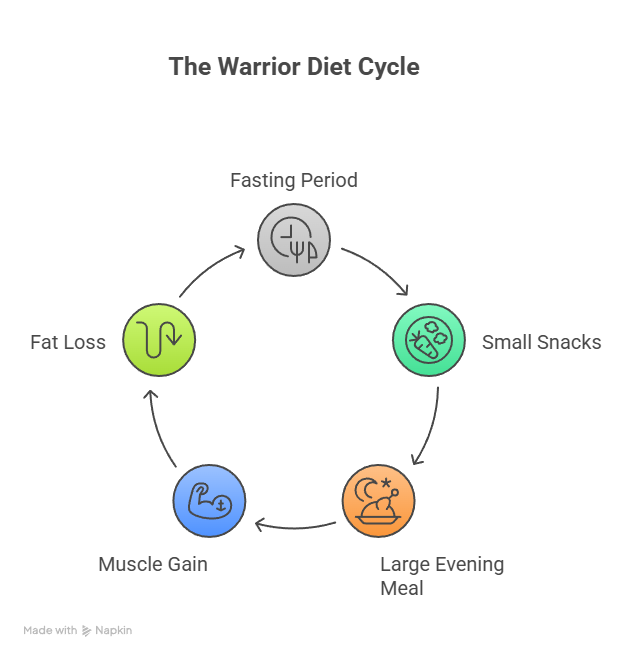
Craving a diet that aligns with natural human eating patterns? The Warrior Diet involves fasting for 20 hours, consuming small amounts of raw fruits and vegetables, and eating one large meal at night within a 4-hour window. This approach can promote muscle gain and fat loss.
- 20-hour fasting period
- One large evening meal
- Promotes muscle gain
6. Spontaneous Meal Skipping
What if you could skip meals without a strict schedule? Spontaneous Meal Skipping involves occasionally skipping meals when you’re not hungry or too busy to eat. This flexible approach can reduce overall calorie intake and improve metabolic flexibility.
- Flexible meal skipping
- Reduces calorie intake
- Improves metabolic flexibility
7. Overnight (12:12) Fasting
Looking for a beginner-friendly fasting method? Overnight (12:12) Fasting involves fasting for 12 hours overnight, such as from 8 p.m. to 8 a.m. This method is easy to integrate into daily life and can help reduce calorie intake.
- 12-hour fasting period
- Easy to integrate
- Reduces calorie intake
8. One Meal a Day (OMAD)
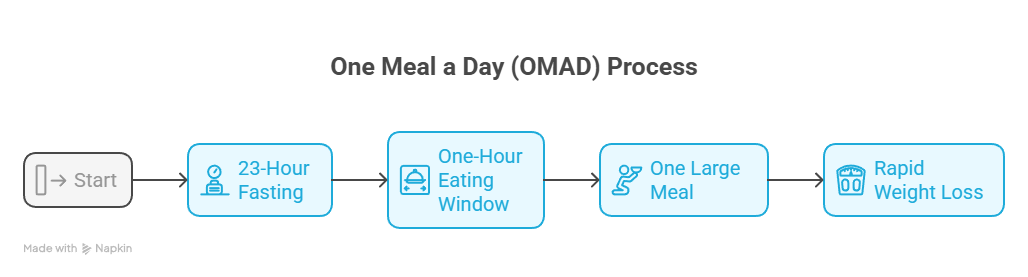
Ever thought about eating just one meal a day? OMAD involves fasting for 23 hours and eating one large meal within a one-hour window. This extreme method may not be suitable for everyone but can lead to rapid weight loss.
- 23-hour fasting period
- One large meal
- Rapid weight loss
9. Time-Restricted Eating
What if you could eat only during a specific time window each day? Time-Restricted Eating involves limiting your eating to a small part of each day, such as fasting for 16 hours and eating during an 8-hour window. This method can improve metabolic processes and overall health.
- Specific eating window
- Improves metabolism
- Enhances health
10. Alternate-Day Modified Fasting
Looking for a less restrictive fasting method? Alternate-Day Modified Fasting involves eating normally one day and consuming about 25% of your typical calories the next day. This approach can lead to weight loss and improve metabolic health.
- Alternating fasting days
- Reduced calorie intake
- Improves metabolic health
11. Full-Day Fasting
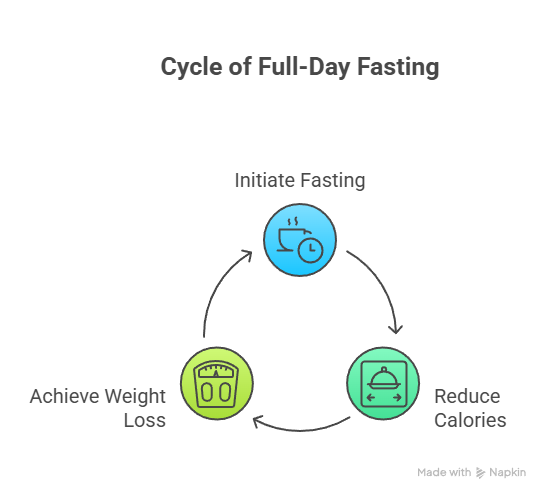
Ever considered fasting for a full day? Full-Day Fasting involves fasting for 24 hours once or twice a week. This method can lead to significant calorie reduction and weight loss.
- 24-hour fasting period
- Significant calorie reduction
- Leads to weight loss
12. Modified Alternate-Day Fasting
Looking for a flexible fasting method? Modified Alternate-Day Fasting involves alternating between days of normal eating and days where you consume about 25% of your typical calories. This approach can lead to weight loss and improve metabolic health.
- Alternating fasting days
- Reduced calorie intake
- Improves metabolic health
Preparing for Fasting

Fasting doesn’t start when you skip your first meal.
It starts before that—when you prep your body, mind, and environment to win.
Think of it like training for a race.
You don’t just show up and run. You stretch. You fuel up. You plan.
Same with fasting.
The better your prep, the smoother it goes—and the better your results.
If you’ve ever tried fasting cold turkey and felt like crashing mid-day… this section is for you.
Fasting works best when your body is ready. That means getting hydrated, planning meals, dialing in sleep, and managing stress—all before you skip that first bite.
This list walks you through the top tools and habits that make fasting easier before you start.
No more guesswork. No more willpower-only plans.
Just smart prep, solid tools, and systems that set you up to win your fast.
Let’s get your pre-fast game strong.
TL;DR:
-
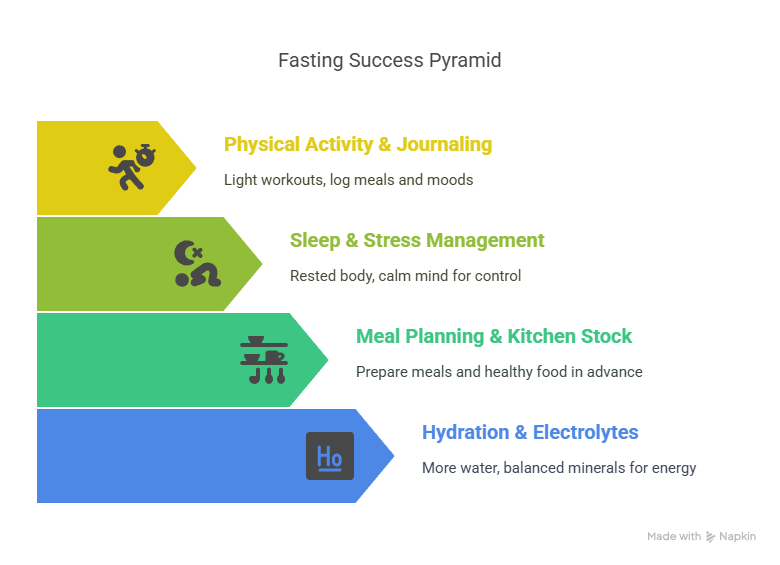
Track hydration: More water = less hunger.
-
Plan meals: Know what you’re eating before the fast.
-
Reduce caffeine: Avoid withdrawal headaches.
-
Sleep well: Rested body = better fasting.
-
Manage stress: Calm mind, controlled cravings.
-
Stock your kitchen: Healthy food ready to go.
-
Move your body: Light workouts keep energy up.
-
Use a journal: Log meals, moods, and wins.
-
Balance electrolytes: Stay energized and sharp.
Pro tip: Prep the night before—sleep, hydrate, and decide your first post-fast meal. That one habit changes everything.
1. Hydration Tracker
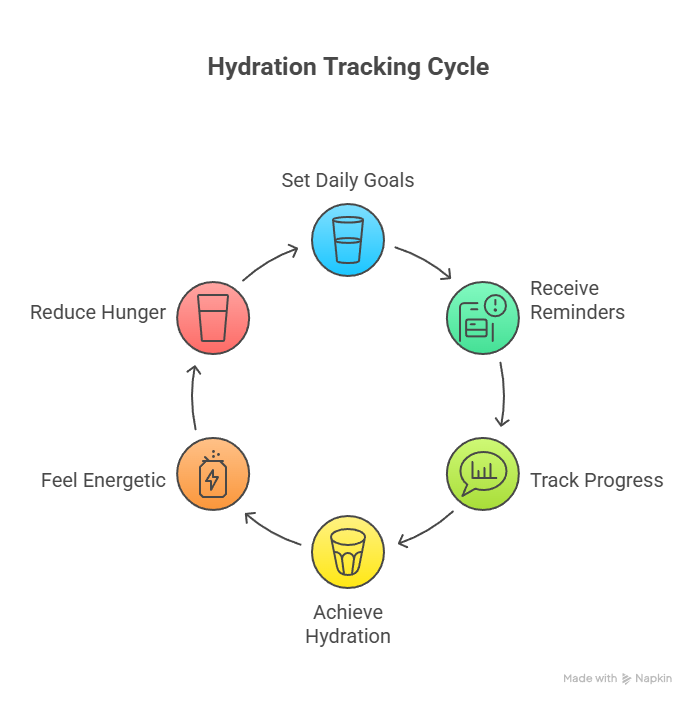
Staying hydrated is crucial before fasting. A hydration tracker helps you monitor daily water intake, ensuring you meet your hydration goals. One user reported feeling more energetic and less hungry after consistently tracking water consumption.
- Daily water intake goals
- Reminders to drink water
- Hydration progress tracking
2. Meal Planner
Planning meals ahead can ease the transition into fasting. A meal planner allows you to schedule balanced meals, reducing the temptation to overeat. A user found that planning meals helped them avoid impulsive eating and stick to their fasting schedule.
- Customizable meal plans
- Grocery list generation
- Nutritional information
3. Caffeine Reducer
Gradually reducing caffeine intake prevents withdrawal symptoms during fasting. A caffeine reducer app tracks your consumption and suggests gradual reductions. One user successfully tapered off caffeine without headaches using this tool.
- Caffeine intake tracking
- Personalized reduction plans
- Withdrawal symptom monitoring
4. Sleep Tracker
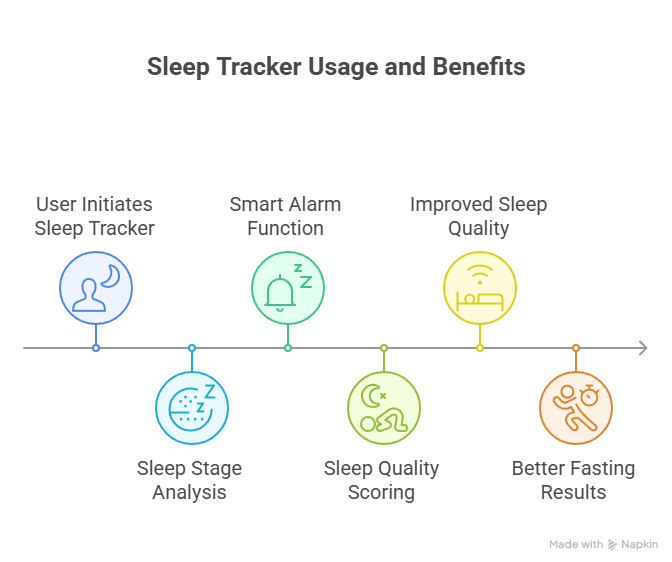
Quality sleep supports fasting success. A sleep tracker monitors sleep patterns and provides insights for improvement. A user improved their sleep quality, leading to better fasting results.
- Sleep stage analysis
- Smart alarm function
- Sleep quality scoring
5. Stress Management App
Managing stress is vital before fasting. A stress management app offers relaxation techniques and stress tracking. One user reduced stress levels, making fasting more manageable.
- Guided meditation sessions
- Stress level tracking
- Sleep aids
6. Grocery Delivery Service
Access to healthy foods is key. A grocery delivery service brings fresh produce and whole foods to your doorstep. A user found it convenient to maintain a balanced diet before fasting.
- Wide selection of groceries
- Same-day delivery
- User-friendly interface
7. Fitness App
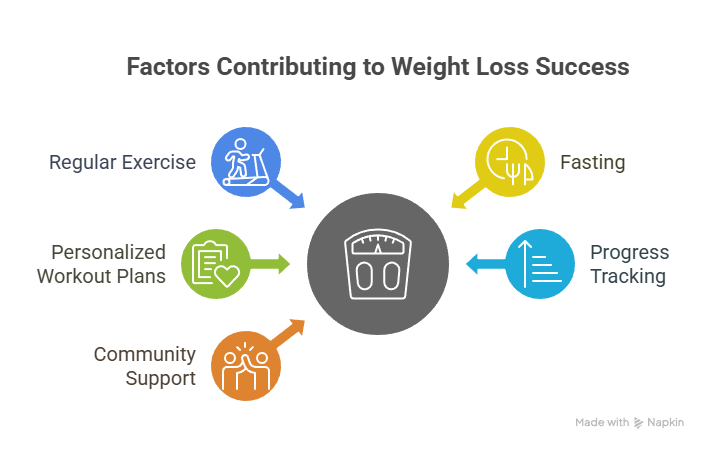
Regular exercise complements fasting. A fitness app provides workout plans and tracks progress. One user achieved weight loss goals faster by combining fasting with workouts.
- Personalized workout plans
- Progress tracking
- Community support
8. Mindfulness App
Mental clarity aids fasting. A mindfulness app offers daily exercises to enhance focus. A user reported improved concentration and reduced cravings during fasting.
- Daily meditation exercises
- Sleep stories
- Breathing programs
9. Blood Sugar Monitor
Monitoring blood sugar levels ensures safe fasting. A blood sugar monitor provides real-time readings and trends. One user maintained stable levels throughout their fasting period.
- Real-time blood sugar readings
- Trend analysis
- Easy-to-use interface
10. Electrolyte Supplement
Maintaining electrolyte balance prevents fatigue during fasting. An electrolyte supplement provides essential minerals. A user felt more energized after incorporating this into their routine.
- Variety of flavors
- Low-calorie options
- Convenient tablets
11. Fasting Journal
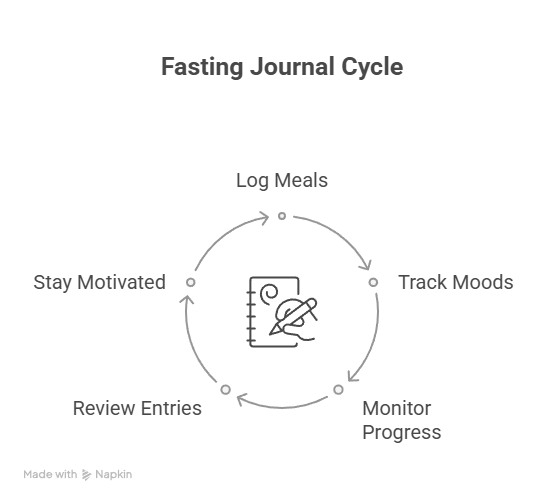
Tracking your fasting journey helps identify patterns. A fasting journal allows you to log meals, moods, and progress. One user stayed motivated by reviewing their entries.
- Mood and activity tracking
- Customizable entries
- Data visualization
12. Health App
Comprehensive health monitoring supports fasting. A health app tracks various metrics like weight, steps, and sleep. A user improved overall health by monitoring these factors.
- Integration with health devices
- Comprehensive health metrics
- Personalized insights
During the Fast

You’ve started your fast. Nice.
But now comes the real game—sticking with it.
Here’s the deal: fasting isn’t just about not eating.
It’s about managing hunger, staying sharp, and feeling good while you’re doing it.
The difference between a miserable fast and an energizing one?
Strategy.
Let’s make yours solid.
Fasting gets easier when you know how to handle the bumps—like hunger, fatigue, and those sneaky cravings.
This section gives you a toolkit to make your fast smoother, smarter, and more sustainable.
From hydration hacks to hunger-crushing foods and mindset shifts that actually work—these tips will help you feel in control, not deprived.
Apply just a few of these, and your fasting window will fly by.
Ready to make your fast feel effortless? Let’s go.
TL;DR:
-
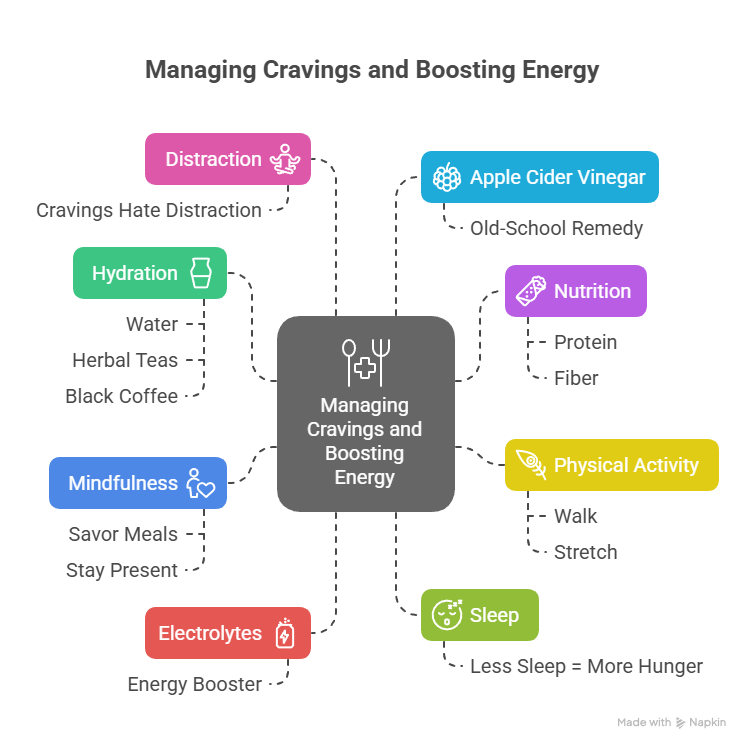
Drink more: Water, herbal teas, and black coffee keep you full and focused.
-
Eat smart before: Protein and fiber = fewer cravings.
-
Move gently: A walk or stretch resets your energy.
-
Mindful eating: Savor your meals. Stay present.
-
Electrolytes: Big energy booster.
-
Sleep more: Less sleep = more hunger.
-
Stay busy: Cravings hate distraction.
-
Apple cider vinegar: Old-school but it works.
Pro tip: Don’t just “tough it out.” Stack the odds in your favor with a few smart tweaks.
1. Hydration Boosters
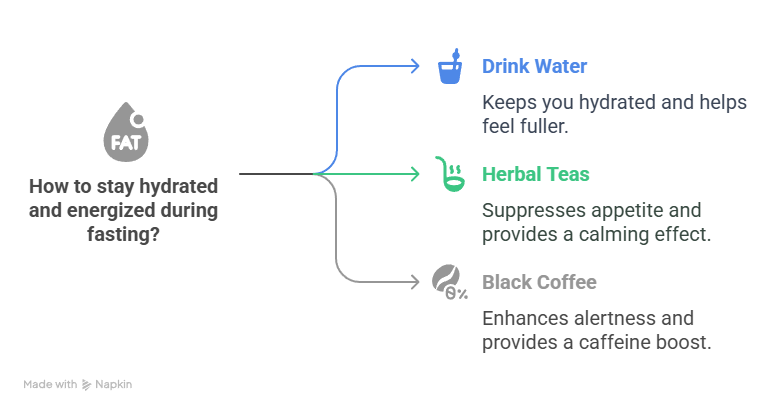
Feeling sluggish during your fast? Staying hydrated can keep you energized and curb hunger. Drinking water, herbal teas, or black coffee can help you feel fuller and more alert. For instance, a client found that sipping on herbal teas during fasting hours reduced their hunger and improved focus.
- Hydration aids energy levels
- Herbal teas suppress appetite
- Black coffee enhances alertness
2. Protein-Packed Meals
Struggling with hunger during fasting? Incorporate protein-rich foods into your meals to promote satiety and stabilize blood sugar levels. Foods like eggs, chicken, fish, Greek yogurt, and tofu can keep you feeling full longer. One individual found that adding more protein to their diet reduced cravings and improved energy.
- Protein stabilizes blood sugar
- Reduces hunger cravings
- Enhances energy levels
3. Fiber-Rich Foods
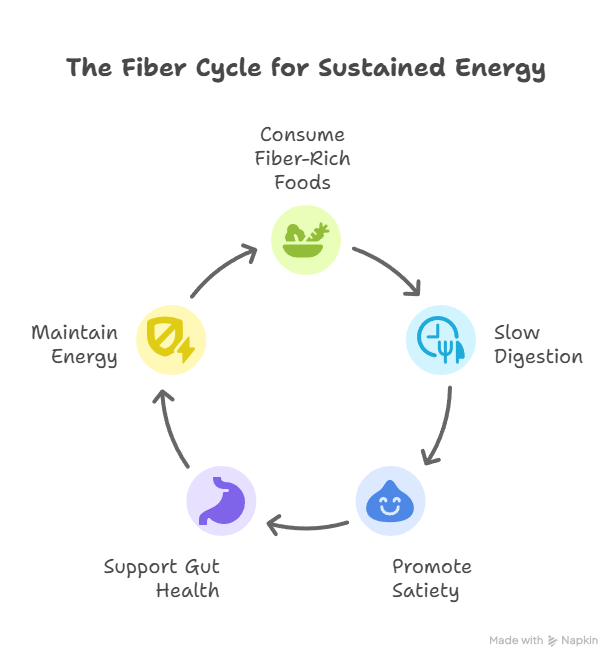
Want to stay full longer during your fast? Include fiber-rich foods in your diet to slow digestion and keep you satisfied. Vegetables, chia seeds, flaxseeds, lentils, and whole grains are excellent choices. A client reported that adding more fiber to their meals helped them manage hunger and maintain energy.
- Fiber slows digestion
- Promotes satiety
- Supports gut health
4. Mindful Eating Practices
Tired of constant hunger pangs? Practicing mindful eating can help you recognize true hunger cues and prevent overeating. Eating slowly and paying attention to your body’s signals can make fasting more manageable. One person found that mindful eating reduced cravings and improved their fasting experience.
- Enhances hunger awareness
- Prevents overeating
- Improves fasting experience
5. Light Physical Activity
Feeling low on energy during your fast? Engaging in light exercises like walking or yoga can boost your mood and distract from hunger. A brief 10-minute walk can rejuvenate you and make fasting easier. For example, a client found that light exercise during fasting hours improved their energy and reduced cravings.
- Boosts mood and energy
- Distracts from hunger
- Improves fasting experience
6. Electrolyte Supplements
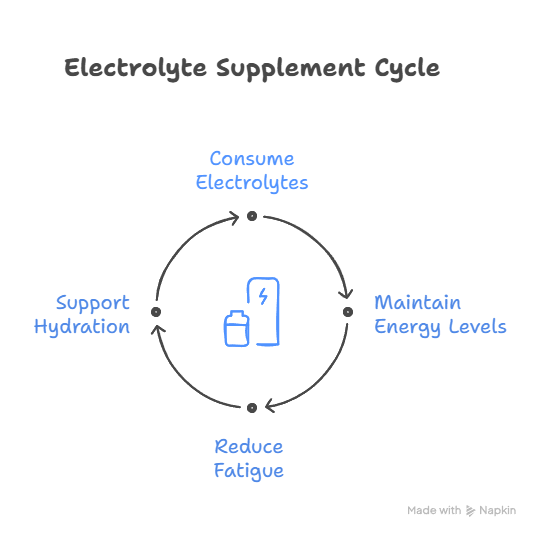
Experiencing fatigue during fasting? Low electrolyte levels can cause tiredness and headaches. Adding electrolytes to your water can help maintain energy and reduce hunger. One individual found that electrolyte supplements improved their energy levels and made fasting more comfortable.
- Maintains energy levels
- Reduces fatigue
- Supports hydration
7. Herbal Teas
Craving a warm beverage during your fast? Herbal teas like green tea can suppress appetite and provide a comforting ritual. A cup of green tea can help you feel fuller and more relaxed. For instance, a client found that drinking green tea during fasting hours reduced cravings and improved focus.
- Suppresses appetite
- Provides comfort
- Enhances relaxation
8. Distraction Techniques
Boredom leading to hunger? Keeping yourself occupied can distract from food cravings. Engage in activities like reading, journaling, or light exercise to keep your mind off eating. One person found that staying busy during fasting hours reduced their hunger and made fasting easier.
- Distracts from cravings
- Reduces hunger
- Makes fasting easier
9. Adequate Sleep
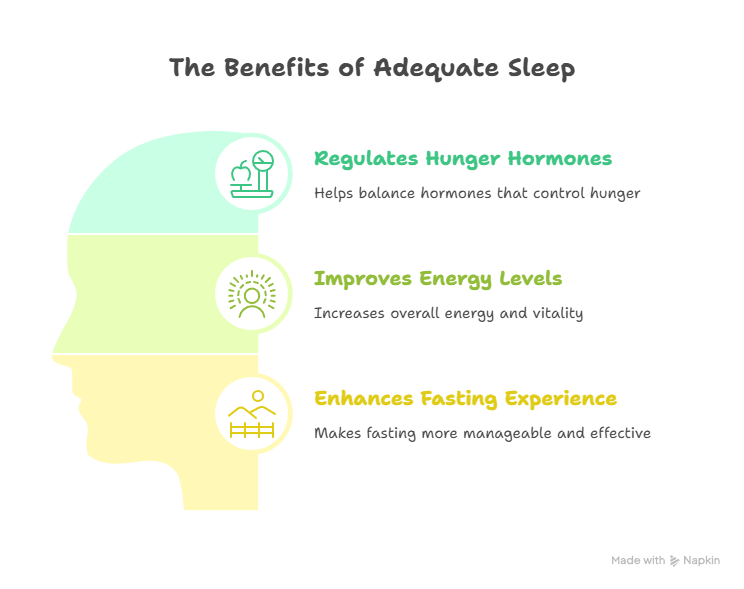
Feeling hungry and tired? Poor sleep can increase hunger hormones and decrease satiety. Aim for 7-9 hours of quality sleep to help manage appetite and maintain energy. A client found that improving their sleep quality reduced cravings and improved their fasting experience.
- Regulates hunger hormones
- Improves energy levels
- Enhances fasting experience
10. Apple Cider Vinegar
Hunger pangs bothering you? A tablespoon of apple cider vinegar diluted in water can help curb appetite and stabilize blood sugar. This simple remedy can make fasting more manageable. For example, a client found that apple cider vinegar reduced their cravings and improved their fasting experience.
- Curbs appetite
- Stabilizes blood sugar
- Supports fasting
Breaking the Fast (Without Breaking Your Body)

You crushed your fast. Nice work.
But now comes the moment of truth—how you break it.
Most people mess this part up… and it bites them hard.
Think bloating, fatigue, and a sudden food coma.
Let’s make sure that’s not you.
Ending a fast isn’t just about eating again.
It’s about reintroducing food strategically—so your body thanks you, not rebels against you.
You’ve given your digestive system a break. Now, you’ve gotta wake it up gently.
This section will show you exactly how to do that—with 10 science-backed, body-friendly steps that’ll ease you back into eating without the crash.
No guesswork. Just clear actions.
Let’s make your post-fast meal a celebration, not a setback.
TL;DR:
-
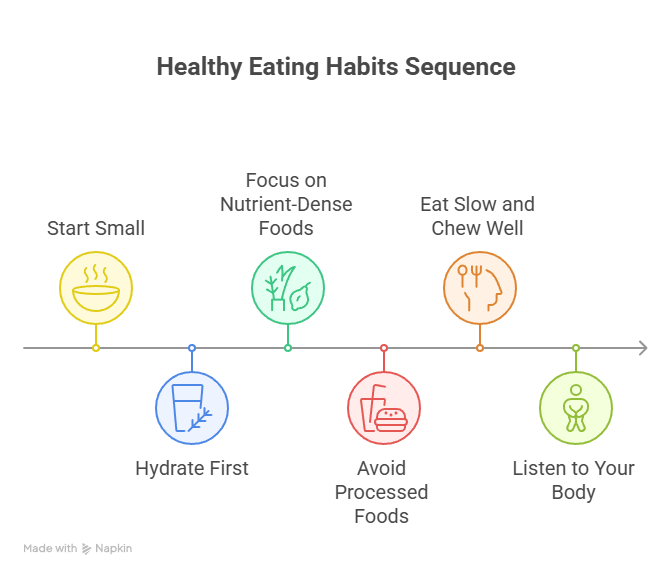
Start small. Think broth, not burgers.
-
Hydrate first. Water and herbal teas are your best friends.
-
Focus on nutrient-dense, easy-to-digest foods.
-
Avoid processed, fried, or heavy meals.
-
Eat slow, chew well, and listen to your body.
Trust me, this works.
1. Gradual Portion Increase
Ease your digestive system back into action by starting with small, manageable portions. This approach prevents overwhelming your body and reduces the risk of discomfort.
- Small manageable portions
- Prevents digestive discomfort
- Gradual food reintroduction
2. Hydration First
Before consuming solid foods, prioritize hydration by sipping on water or herbal teas. This practice replenishes fluids lost during fasting and prepares your stomach for digestion.
- Replenishes lost fluids
- Prepares stomach for digestion
- Gentle body adjustment
3. Nutrient-Dense Foods
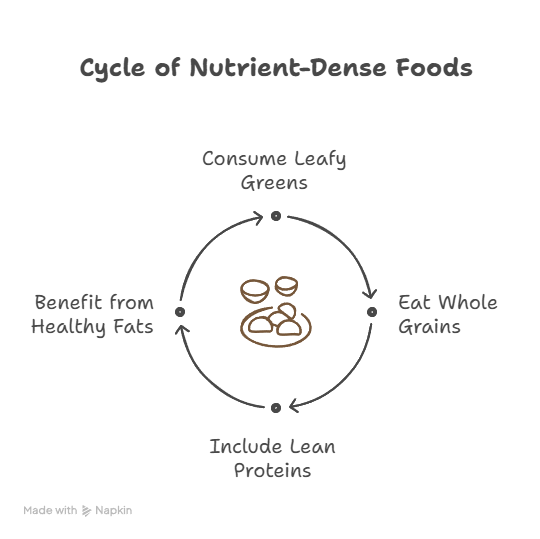
Focus on reintroducing nutrient-rich foods like leafy greens, whole grains, lean proteins, and healthy fats. These choices provide essential vitamins and minerals, supporting your body’s recovery and energy needs.
- Leafy greens
- Whole grains
- Lean proteins
4. Avoid Heavy Foods
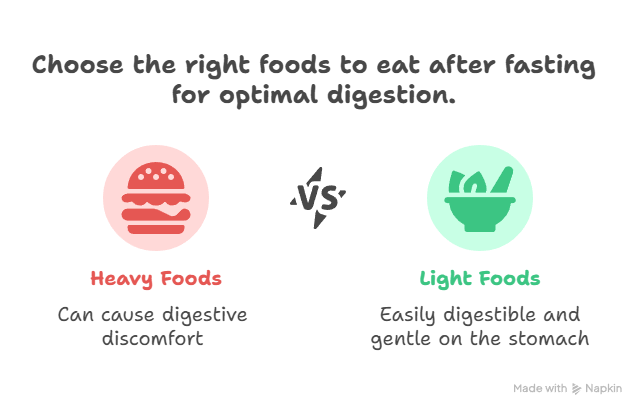
Steer clear of heavy, fatty, or fried foods immediately after fasting. Such items can be hard to digest and may cause discomfort. Instead, choose easily digestible options like broths and soups.
- Easily digestible options
- Avoid heavy foods
- Prevent digestive discomfort
5. Mindful Eating
Practice mindful eating by chewing thoroughly and eating slowly. This approach aids digestion and helps you recognize your body’s signals of fullness, preventing overeating.
- Thorough chewing
- Slow eating
- Recognize fullness signals
6. Probiotic-Rich Foods
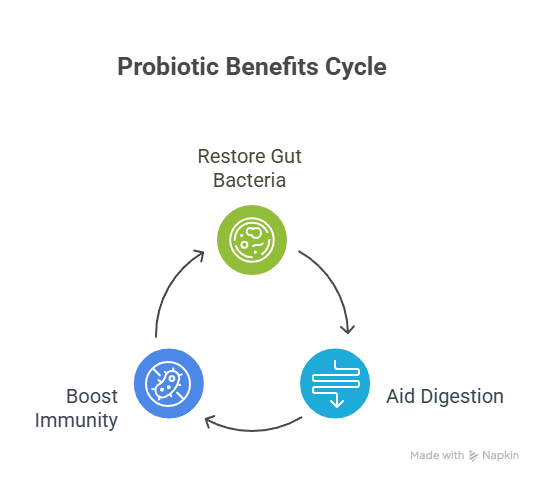
Incorporate probiotic-rich foods like yogurt, kefir, sauerkraut, or kimchi to restore healthy gut bacteria. These foods aid digestion and boost immunity, supporting overall well-being during refeeding.
- Restore gut bacteria
- Aid digestion
- Boost immunity
7. Gradual Meal Frequency
Increase meal frequency gradually to allow your body to adjust to regular eating patterns. This method supports metabolic processes and ensures a smoother transition back to normal eating habits.
- Gradual meal increase
- Support metabolism
- Smooth transition
8. Monitor Body’s Response
Pay close attention to how your body reacts to reintroduced foods. If you experience discomfort, adjust your food choices accordingly to ensure a comfortable refeeding process.
- Monitor reactions
- Adjust food choices
- Ensure comfort
9. Avoid Processed Foods
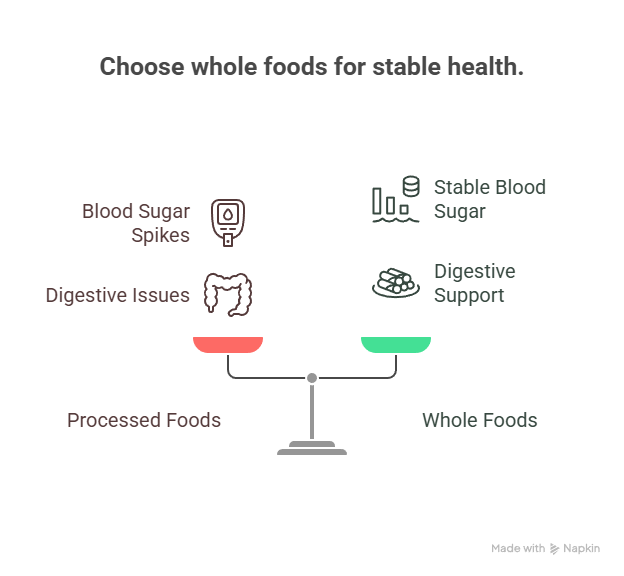
Limit the intake of processed and refined foods during refeeding. These items can cause blood sugar spikes and may lead to digestive issues. Instead, opt for whole, unprocessed foods to support your body’s recovery.
- Limit processed foods
- Prevent blood sugar spikes
- Support recovery
10. Stay Hydrated
Ensure adequate hydration by drinking water and herbal teas throughout the refeeding process. Proper hydration supports digestion and overall health during the transition back to regular eating.
- Adequate hydration
- Supports digestion
- Overall health
Exercise and Fasting

Think you can’t work out while fasting? Think again.
Done right, fasting + exercise is a power combo.
You burn fat faster. You feel sharper. You build discipline.
But here’s the catch: timing and intensity matter.
Let me show you how to move smart, not just hard.
Exercising while fasting isn’t about pushing to the edge—it’s about training in sync with your body’s natural rhythms.
Whether you’re aiming for fat loss, lean muscle, or just better focus, blending movement with fasting can amplify your results.
But you’ve got to do it the right way.
This section walks you through practical, low-risk ways to move your body while you’re fasting—from gentle yoga to quick HIIT bursts.
We’ll cover what works, when to do it, and how to stay fueled (even without food).
Ready to turn your fast into a fitness edge? Let’s go.
TL;DR:
-
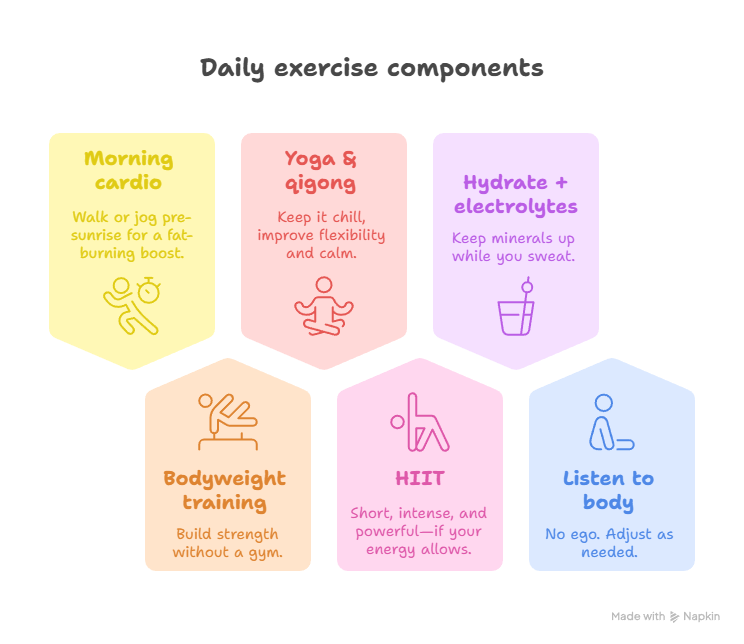
Morning cardio: Walk or jog pre-sunrise for a fat-burning boost.
-
Bodyweight training: Build strength without a gym.
-
Yoga & qigong: Keep it chill, improve flexibility and calm.
-
HIIT: Short, intense, and powerful—if your energy allows.
-
Hydrate + electrolytes: Keep minerals up while you sweat.
-
Listen to your body: No ego. Adjust as needed.
Pro tip: Keep workouts light on fasting days, go heavier when you’re eating. Your body will thank you.
1. Pre-Dawn Cardio
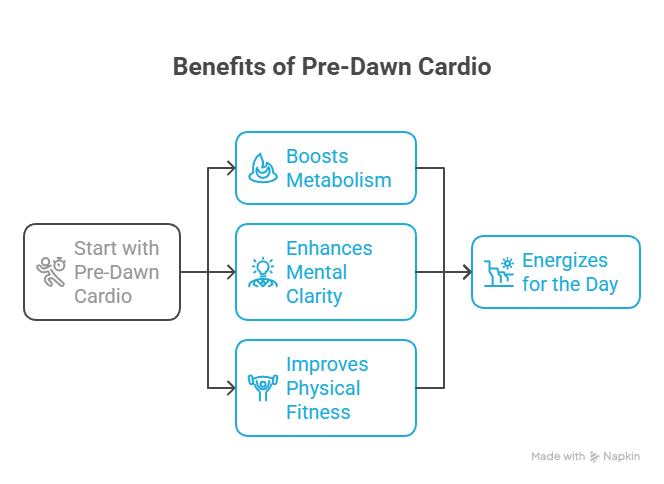
Kickstart your day with a brisk walk or light jog before dawn. This low-intensity cardio session boosts metabolism and energizes you for the day ahead. One individual found that morning walks improved both their physical fitness and mental clarity during fasting periods.
- Boosts metabolism
- Enhances mental clarity
- Improves physical fitness
2. Bodyweight Strength Training
Maintain muscle mass with exercises like squats, lunges, and push-ups. These movements require no equipment and can be performed anywhere, making them ideal during fasting.
- No equipment needed
- Preserves muscle mass
- Can be performed anywhere
3. Gentle Yoga Sessions
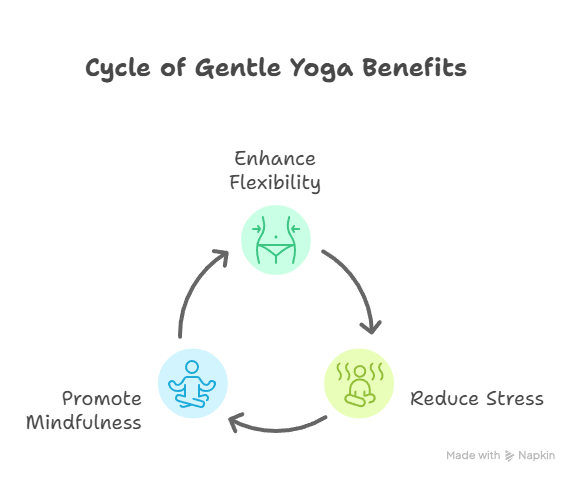
Incorporate yoga poses to enhance flexibility and reduce stress. Gentle movements promote relaxation and mindfulness, aligning with the spiritual aspects of fasting.
- Enhances flexibility
- Reduces stress
- Promotes mindfulness
4. Low-Intensity Cardio
Engage in activities like walking, cycling, or swimming during non-fasting hours. These exercises boost metabolism and improve cardiovascular health without overexerting energy reserves.
- Boosts metabolism
- Improves cardiovascular health
- Maintains fitness levels
5. High-Intensity Interval Training (HIIT)
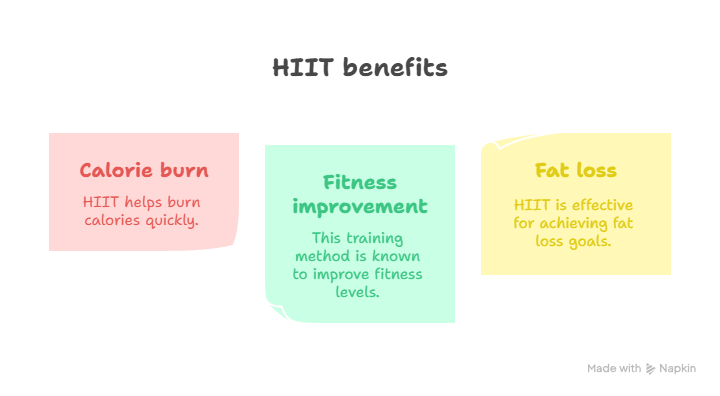
For those with limited time, HIIT offers a quick way to burn calories and improve fitness. Alternate between short bursts of intense exercise and brief periods of rest.
- Quick calorie burn
- Improves fitness
- Achieves fat loss
6. Mindful Movement Practices
Incorporate activities like qigong or gentle dancing to promote physical fitness and inner peace. These practices cultivate mindfulness and reduce stress, enhancing the fasting experience.
- Promotes physical fitness
- Cultivates mindfulness
- Reduces stress
7. Water Aerobics
If fasting allows for hydration, consider water aerobics as a low-impact exercise. Water provides resistance to strengthen muscles while reducing injury risk.
- Low-impact exercise
- Strengthens muscles
- Reduces injury risk
8. Breathing Exercises
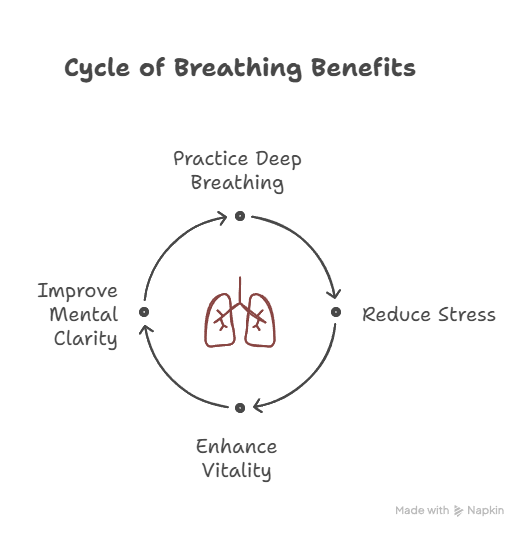
Practice deep breathing exercises to invigorate your body and mind during fasting. Deep diaphragmatic breathing reduces stress and enhances overall vitality.
- Reduces stress
- Enhances vitality
- Improves mental clarity
9. Hydration with Electrolytes
Maintain hydration by drinking water with electrolytes, especially during workouts. This practice helps replenish minerals lost through sweat and supports overall health.
- Replenishes minerals
- Supports overall health
- Improves exercise performance
10. Listen to Your Body
Pay attention to how your body responds during exercise. If you experience dizziness or fatigue, adjust your activity level accordingly. Listening to your body can help prevent overexertion.
- Prevents overexertion
- Maintains energy levels
- Promotes safety
Hydration and Supplements

Fasting without electrolytes?
That’s like running a marathon in flip-flops—technically possible, but you’re making it way harder than it needs to be.
Want better focus, fewer cravings, and more energy while fasting?
Start with hydration—then stack in the right supplements.
Let’s get you leveled up.
When you’re fasting, your body flushes out water—and with it, vital minerals like sodium, potassium, and magnesium.
Skip the refills and you’ll feel it: headaches, fatigue, muscle cramps, brain fog.
But there’s good news—these are totally avoidable with a little strategy.
This section gives you a roundup of clean, fast-friendly hydration tools and supplement options designed to keep your body sharp and your energy steady—without breaking your fast.
These aren’t just random products—they’re trusted tools real people use to feel better while fasting. You’ll know what to use, when to use it, and why it works.
TL;DR:
-
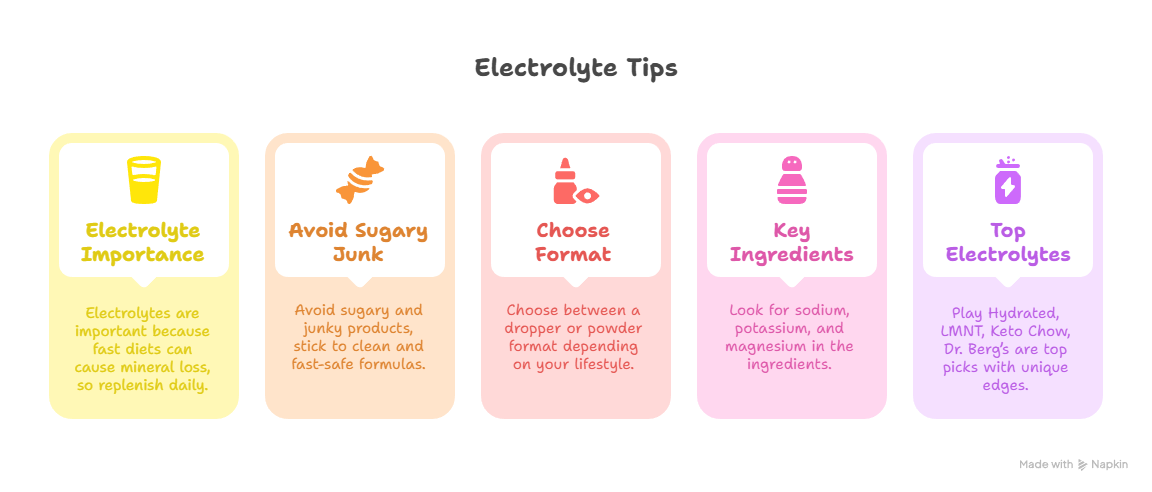
Electrolytes matter: Fast = mineral loss. Replenish daily.
-
No sugar, no junk: Stick to clean, fast-safe formulas.
-
Dropper or powder? Depends on your lifestyle.
-
Common ingredients to look for: sodium, potassium, magnesium.
-
Top picks: Play Hydrated, LMNT, Keto Chow, Dr. Berg’s—each has a unique edge.
Pro tip: Sip electrolytes slowly throughout your fasting window. It keeps hunger at bay and your mind razor-sharp.
1. Play Hydrated Electrolyte Tablets
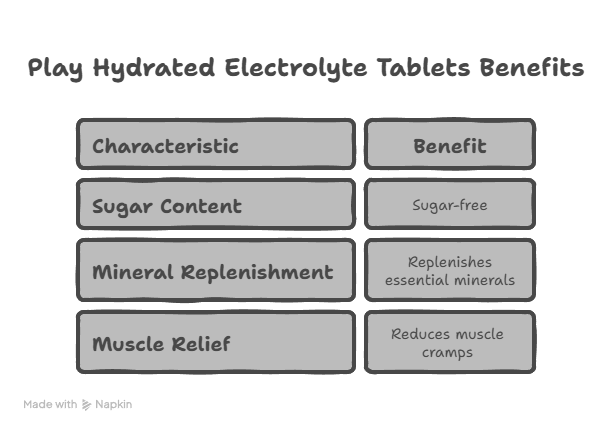
Tired of feeling sluggish during your fasts? Play Hydrated’s sugar-free electrolyte tablets keep you energized by replenishing vital minerals like sodium, potassium, and magnesium. One user reported a significant reduction in muscle cramps and fatigue after incorporating these tablets into their routine.
- Sugar-free formula
- Replenishes essential minerals
- Reduces muscle cramps
2. Keto Chow Fasting Drops
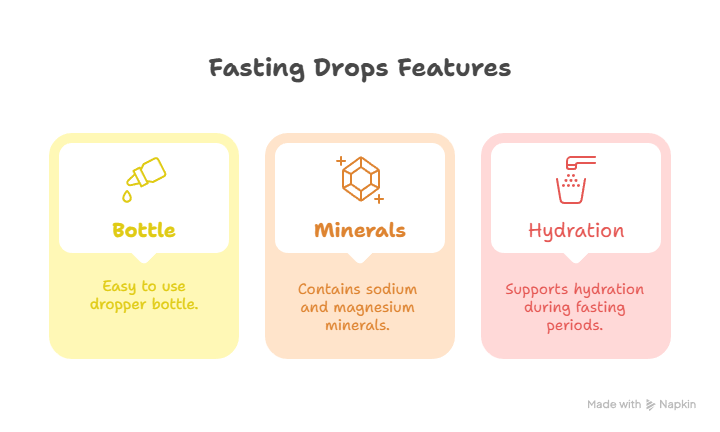
Struggling to maintain electrolyte balance while fasting? Keto Chow’s Fasting Drops offer a convenient way to add essential minerals to your water without breaking your fast.
- Convenient dropper bottle
- Contains sodium and magnesium
- Supports hydration
3. LMNT Electrolyte Powder Packets
Looking for a clean electrolyte boost? LMNT’s powder packets provide a balanced mix of sodium, potassium, and magnesium without any sugar or artificial additives. A fitness enthusiast shared that these packets helped sustain energy levels during extended fasting periods.
- No sugar or additives
- Balanced electrolyte profile
- Portable packets
4. Dr. Berg’s Electrolyte Powder
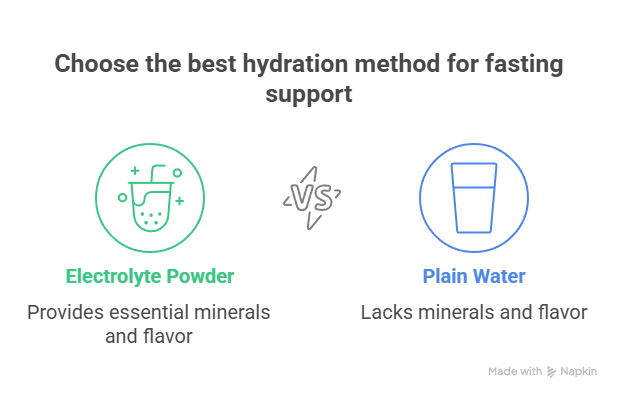
Need a tasty way to stay hydrated? Dr. Berg’s electrolyte powder offers a raspberry lemonade flavor packed with essential minerals to support your fasting journey.
- Raspberry lemonade flavor
- Contains calcium and magnesium
- Supports muscle function
5. Snake Juice Electrolyte Supplement
Experiencing dehydration symptoms during fasting? Snake Juice provides a high-grade electrolyte mix to replenish lost minerals and keep you hydrated.
- High-grade electrolyte mix
- Replenishes lost minerals
- Alleviates dehydration symptoms
6. Fasting Fuels Electrolyte Mix
Seeking a premium hydration solution? Fasting Fuels offers a proprietary blend of electrolytes designed to support your fasting and fitness goals.
- Proprietary electrolyte blend
- Supports fasting and fitness
- Balances water retention
7. Hi-Lyte Electrolyte Mineral Powder
Dealing with nausea and brain fog during fasting? Hi-Lyte’s high-potassium electrolyte powder aids in hydration and reduces common fasting side effects.
- High-potassium formula
- Reduces fasting side effects
- Improves focus
8. Elm & Rye Electrolyte Supplements
Looking for an all-natural electrolyte boost? Elm & Rye’s supplements are formulated with natural ingredients to support hydration during fasting.
- Natural ingredients
- Supports hydration
- No artificial additives
9. Keto Chow Electrolyte Drops
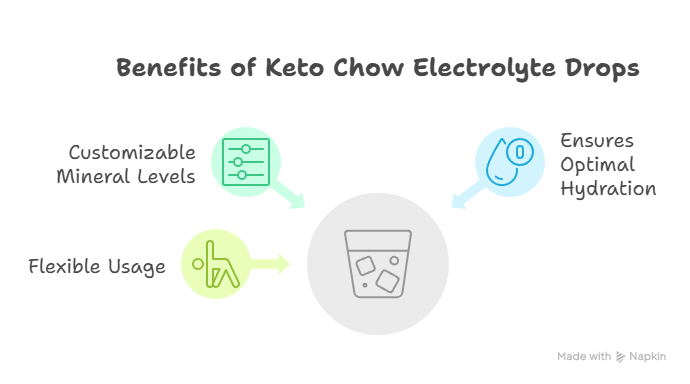
Need a customizable electrolyte solution? Keto Chow’s electrolyte drops allow you to adjust mineral levels to your preference, ensuring optimal hydration during fasting.
- Customizable mineral levels
- Ensures optimal hydration
- Flexible usage
10. Dr. Berg’s Original Electrolyte Powder
Craving a refreshing electrolyte drink? Dr. Berg’s powder offers a delicious raspberry lemonade flavor while providing essential minerals to support your fasting experience.
- Raspberry lemonade flavor
- Contains essential minerals
- Supports muscle function
Monitoring Progress

You can’t improve what you don’t track.
And when you do track? You start seeing patterns. Wins. Momentum.
Whether it’s a scale victory, better sleep, or crushing a new running route—tracking progress keeps you fired up and on course.
Let’s build that momentum.
Weight loss and fitness aren’t just about what you do—they’re about what you see and measure.
When you track your meals, movement, and mood, you take control.
You spot what’s working. You catch what’s not. And you stay motivated—even when the scale won’t budge.
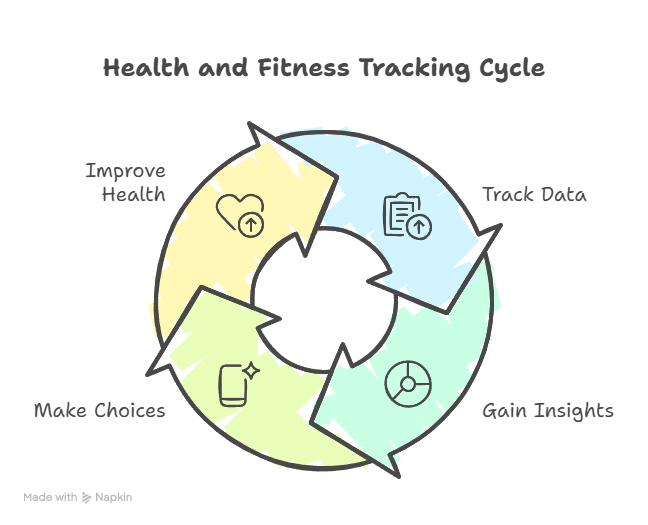
This section lays out the top tools to monitor your journey—whether you’re into calories, macros, fasting, hiking, or just staying consistent.
From apps that scan your lunch to wearables that log your steps, we’ve got every angle covered.
Pick one or two that match your style, and let them do the heavy lifting.
TL;DR:
-
Track everything: Food, workouts, sleep, steps—data tells the story.
-
Best for food logging: MyFitnessPal, Lose It!, Cronometer.
-
For fitness insights: Fitbit, Map My Run, Apple Health.
-
Fasting focus? Go with Zero.
-
Mindset tools: Noom for behavior, Fooducate for smarter choices.
-
Outdoor lovers: AllTrails is your hiking companion.
Pro tip: Consistency > Perfection. Use tracking as feedback, not judgment.
1. MyFitnessPal
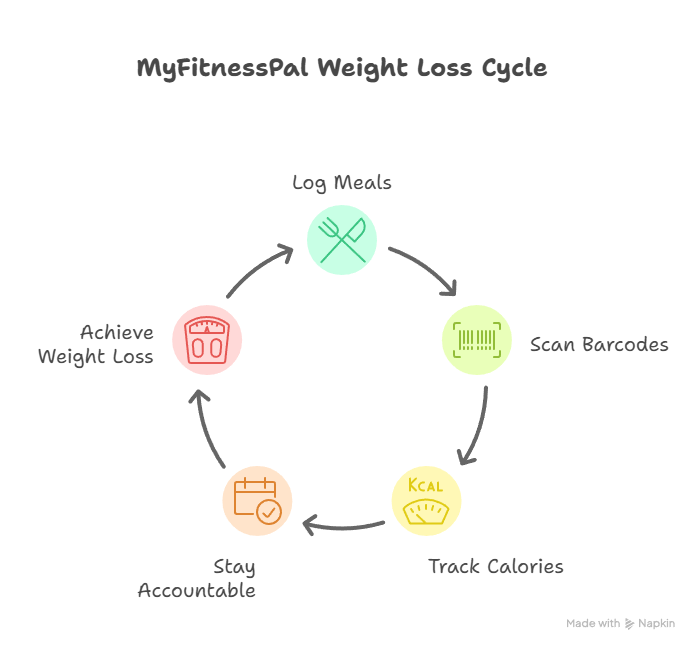
Ever wondered how many calories are in that slice of pizza? MyFitnessPal lets you log meals by scanning barcodes or searching its vast food database. One user lost 30 pounds by consistently tracking their intake and staying accountable.
- Extensive food database
- Barcode scanning
- Calorie and macro tracking
2. Lose It!
Tired of guessing portion sizes? Lose It! helps you set calorie budgets and track food intake with a barcode scanner. A user shed 25 pounds by logging meals and staying within their daily limits.
- Calorie budgeting
- Barcode scanner
- Food tracking
3. Cronometer
Curious about your nutrient intake? Cronometer provides detailed reports on vitamins and minerals, ensuring you meet your nutritional needs. A health-conscious individual used it to balance their diet and improve energy levels.
- Micronutrient tracking
- Detailed nutrition reports
- Customizable goals
4. Fitbit
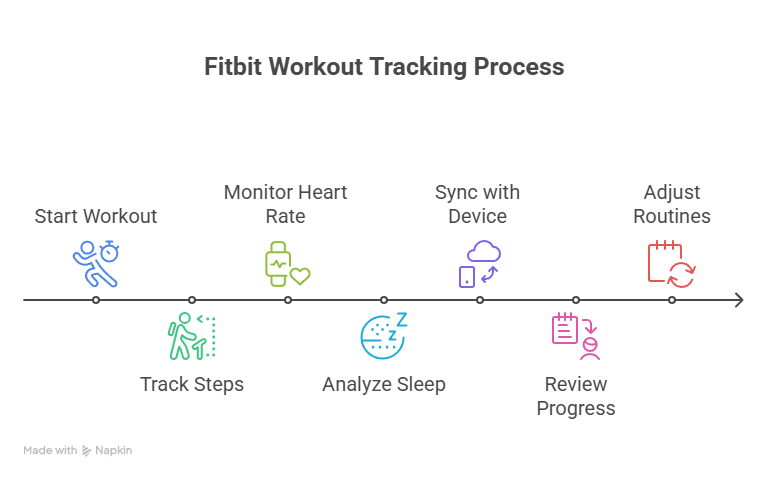
Want to see how your workouts impact your weight? Fitbit tracks steps, workouts, and calories burned, syncing with your Fitbit device. A runner improved their performance by monitoring progress and adjusting routines.
- Activity tracking
- Heart rate monitoring
- Sleep analysis
5. Noom
Struggling with emotional eating? Noom combines calorie tracking with behavioral coaching to help you build healthier habits. A user overcame emotional eating patterns and lost 40 pounds over six months.
- Behavioral coaching
- Daily lessons
- Food logging
6. Fooducate
Confused by food labels? Fooducate grades foods and offers healthier alternatives, making shopping easier. A shopper improved their diet by choosing higher-graded items and felt more energetic.
- Food grading
- Healthier alternatives
- Barcode scanning
7. Zero
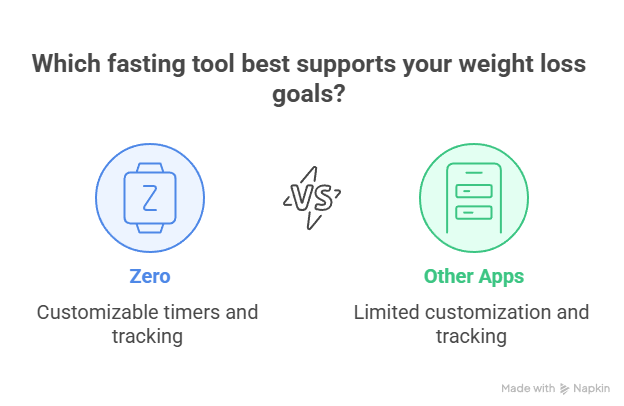
Interested in intermittent fasting? Zero offers customizable fasting timers and tracks your fasting history. A user found it easier to stick to fasting schedules and lost 15 pounds in three months.
- Fasting timers
- Fasting history tracking
- Customizable schedules
8. Apple Health
Prefer an all-in-one health hub? Apple Health consolidates data from your iPhone and Apple Watch, providing a comprehensive view. A user monitored steps, sleep, and nutrition to improve overall health.
- Data aggregation
- Activity tracking
- Health insights
9. Map My Run
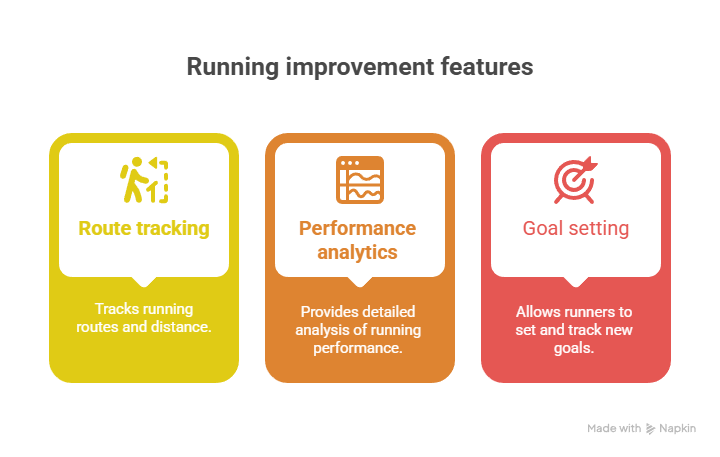
Looking to improve your running? Map My Run tracks routes, distance, and pace, offering detailed performance analytics. A runner optimized their training by analyzing data and setting new goals.
- Route tracking
- Performance analytics
- Goal setting
10. AllTrails
Love hiking? AllTrails provides trail maps and reviews, helping you find the best paths. A hiker discovered new trails and enjoyed diverse landscapes on weekend adventures.
- Trail maps
- User reviews
- Trail recommendations
Overcoming Challenges

Fasting sounds simple: don’t eat for a bit.
But living it? Whole different game.
You’ll face hunger, cravings, boredom, stress, fatigue, and the unexpected pizza party.
That’s normal. What matters is having tools and tactics to push through.
Let’s tackle the tough stuff before it throws you off track.
Every great fasting journey hits speed bumps. Maybe it’s hunger that sneaks up mid-afternoon. Or stress that sends you raiding the pantry. Or poor sleep that kills your willpower.
The trick isn’t to avoid challenges—it’s to anticipate them and have solutions ready.
This section hands you the exact apps, tools, and habits to stay steady when fasting gets hard. From hydration hacks to sleep support to online communities that actually lift you up—you’ll find what works for your life.
Ready to turn roadblocks into stepping stones? Let’s dive in.
TL;DR:
-
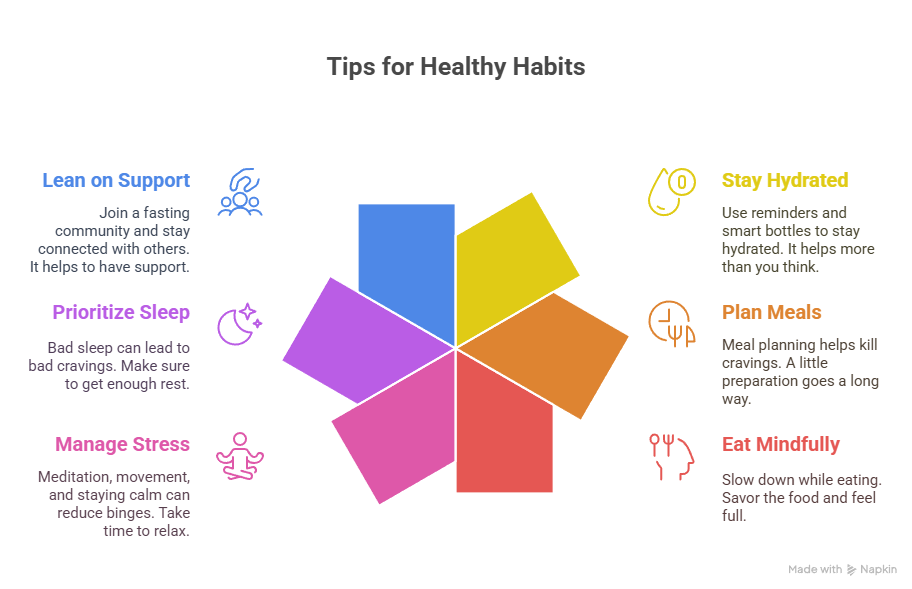
Stay hydrated: Reminders and smart bottles help more than you think.
-
Plan meals: A little prep kills cravings.
-
Eat mindfully: Slow down. Savor. Feel full.
-
Manage stress: Meditation, movement, and calm = fewer binges.
-
Prioritize sleep: Bad sleep = bad cravings.
-
Lean on support: Join a fasting community and stay connected.
Pro tip: Don’t fight challenges alone. Set up your environment so success is the default, not the exception.
1. Hydration Reminders
Staying hydrated is crucial during fasting to prevent fatigue and hunger. Hydration Reminders is an app that sends timely alerts to drink water, helping you maintain optimal hydration levels.
- Customizable water intake goals
- Timely push notifications
- Integration with fitness apps
2. Meal Prep Planner
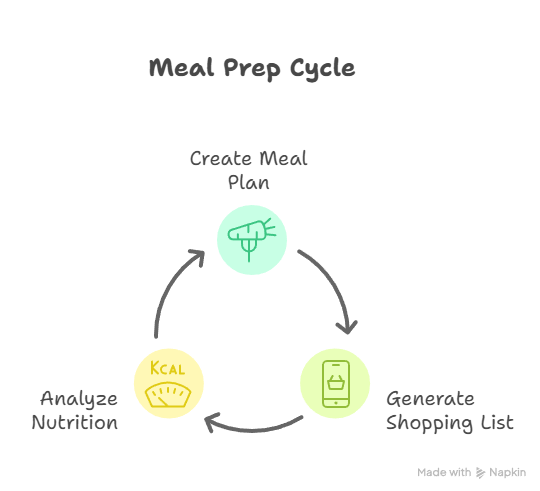
Planning your meals ahead can prevent impulsive eating and ensure balanced nutrition. Meal Prep Planner offers customizable meal plans and shopping lists tailored to your dietary needs.
- Customizable meal plans
- Automated shopping lists
- Nutritional analysis
3. Mindful Eating Timer
Eating slowly can help you recognize fullness cues and prevent overeating. Mindful Eating Timer provides gentle reminders to chew thoroughly and pause between bites.
- Gentle eating reminders
- Pause intervals between bites
- Progress tracking
4. Stress Relief Guide
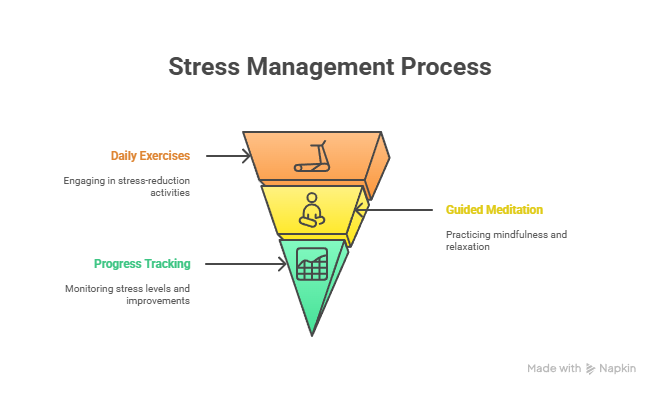
High stress can trigger emotional eating, derailing your fasting efforts. Stress Relief Guide offers daily exercises like meditation and deep breathing to manage stress levels.
- Daily stress-reduction exercises
- Guided meditation sessions
- Progress tracking
5. Sleep Tracker Pro
Quality sleep is essential for weight loss and fasting success. Sleep Tracker Pro monitors your sleep patterns and provides insights to improve sleep quality.
- Sleep pattern analysis
- Personalized sleep tips
- Integration with health apps
6. Portion Control Plates
Visual cues can help you manage portion sizes and prevent overeating. Portion Control Plates are designed with sections to guide appropriate serving sizes.
- Sectioned plate design
- Dishwasher safe
- Microwave safe
7. Fasting Support Community
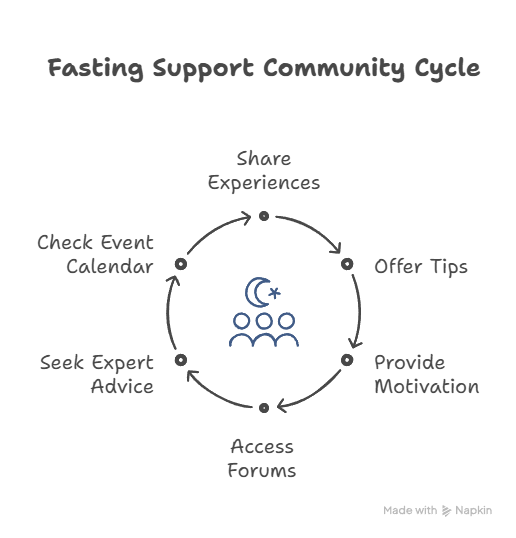
Having a support system can enhance your fasting journey. Fasting Support Community is an online group where members share experiences, tips, and motivation.
- Active member forums
- Expert advice
- Event calendar
8. Calorie Counter App
Tracking your calorie intake ensures you stay within your fasting goals. Calorie Counter App allows you to log meals and monitor nutritional content.
- Barcode scanner
- Nutritional database
- Progress tracking
9. Healthy Recipe Finder
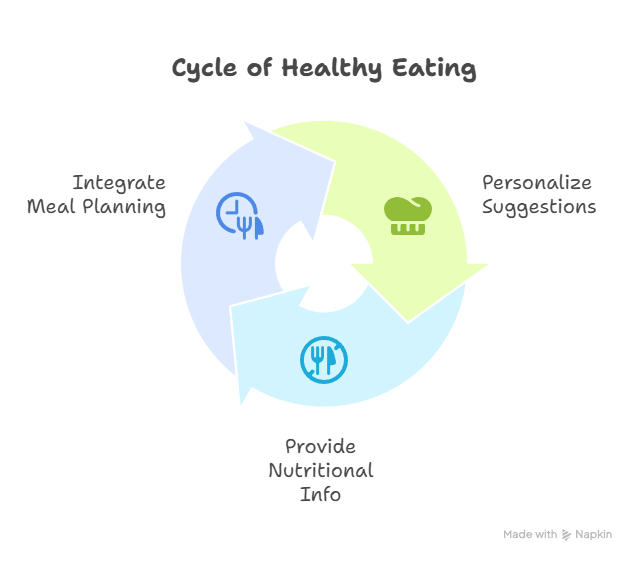
Variety in meals can prevent boredom and support adherence to fasting. Healthy Recipe Finder suggests nutritious recipes based on your dietary preferences.
- Personalized recipe suggestions
- Nutritional information
- Meal planning integration
10. Exercise Scheduler
Regular physical activity supports weight loss and fasting success. Exercise Scheduler helps you plan and track workouts that complement your fasting routine.
- Customizable workout plans
- Progress tracking
- Integration with fitness devices
11. Grocery Delivery Service
Access to healthy foods is vital for successful fasting. Grocery Delivery Service provides convenient delivery of fresh, nutritious ingredients.
- Wide product selection
- Flexible delivery options
- Subscription plans
12. Mindfulness App
Being mindful of your eating habits can prevent emotional eating. Mindfulness App offers guided sessions to enhance self-awareness and control cravings.
- Guided meditation sessions
- Progress tracking
- Community support
13. Hydration Reminder Bottle
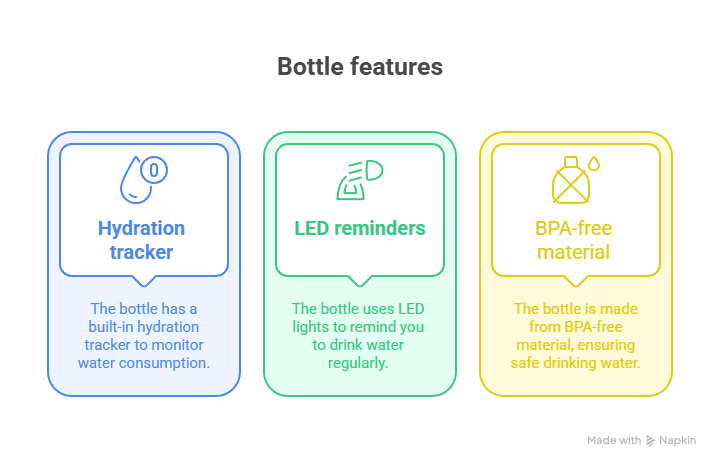
Keeping track of water intake can be challenging. Hydration Reminder Bottle tracks your water consumption and reminds you to drink throughout the day.
- Built-in hydration tracker
- LED reminders
- BPA-free material
Conclusion
Achieving your weight loss goals through fasting is more than just following a plan; it’s about making informed choices, staying hydrated, and finding a supportive community. The strategies outlined in this guide will help you navigate your fasting journey effectively. Remember, consistency is key, and each step you take brings you closer to your goals!
We’d love to hear about your experiences and any tips you found helpful. Share your thoughts in the comments below!
