 Skip to content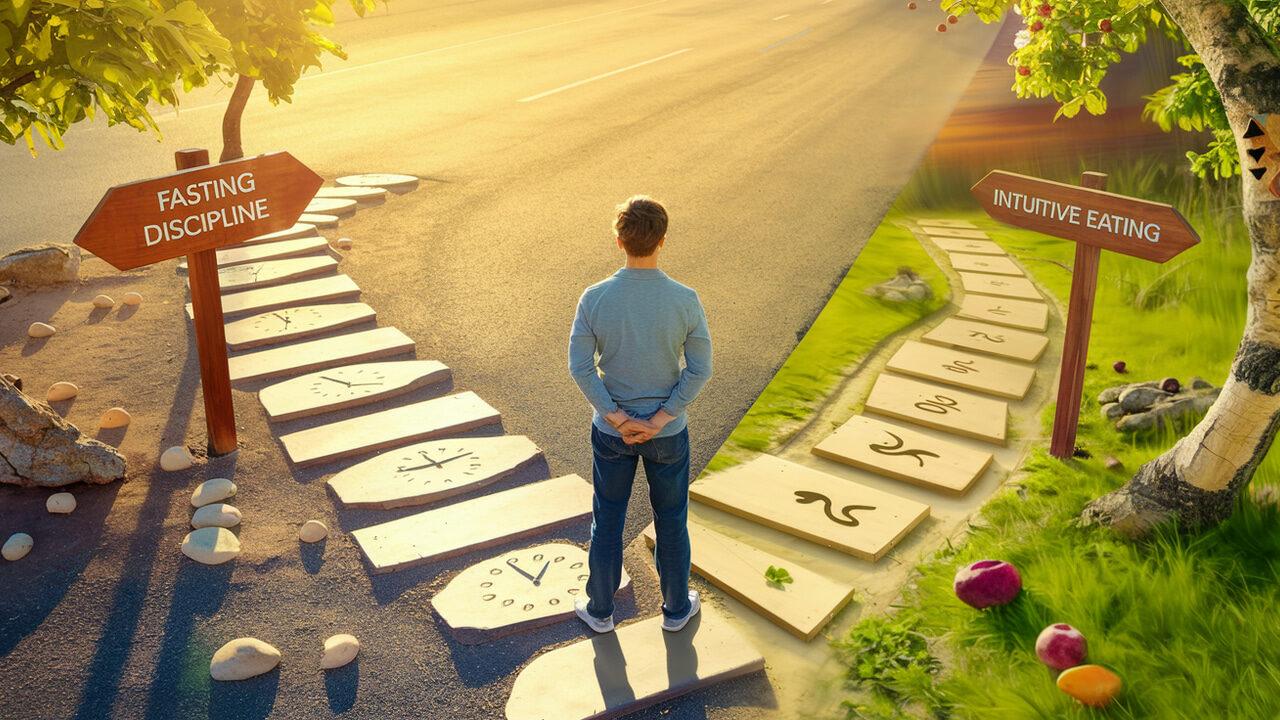
Fasting Discipline vs Intuitive Eating: Which Approach Suits You?
What You’ll Learn
In this article, we’ll delve into the key differences between Fasting Discipline and Intuitive Eating, helping you understand which approach aligns best with your health goals and lifestyle.
Quick Comparison Table
| Feature | Fasting Discipline | Intuitive Eating |
|---|---|---|
| Approach to Eating | Time-restricted eating periods with specific fasting windows. | Eating based on internal hunger and fullness cues without external dietary rules. |
| Health Goals | Weight management, metabolic health benefits, potential longevity benefits. | Improved relationship with food, reduced emotional eating, better body image. |
| Flexibility and Structure | Structured eating windows with less flexibility. | Flexible eating patterns based on individual hunger cues. |
| Mindfulness and Body Awareness | Encourages mindfulness during eating windows. | Promotes mindfulness by listening to body’s hunger and fullness signals. |
| Potential Health Benefits | Weight loss, improved insulin sensitivity, potential longevity benefits. | Improved body image, reduced emotional eating, better long-term dietary choices. |
| Considerations and Limitations | Not suitable for everyone, potential side effects like hunger, irritability, and social challenges. | May require time to adjust, not suitable for those needing structured eating plans. |
Overview of Fasting Discipline
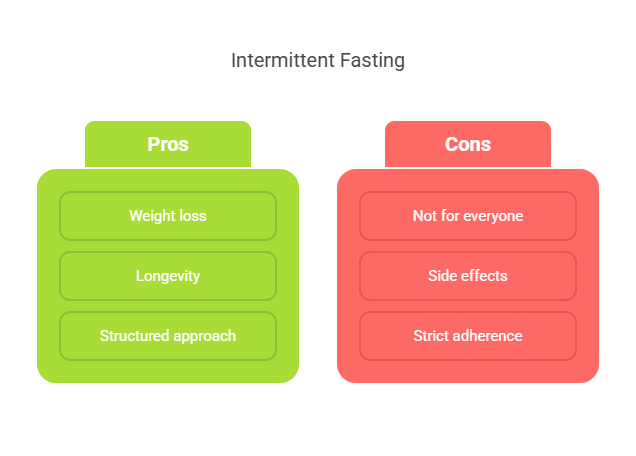
Fasting Discipline involves adhering to specific time-restricted eating periods, commonly known as intermittent fasting. This approach has gained popularity for its potential benefits in weight management and metabolic health.
Pros
- May aid in weight loss and improve insulin sensitivity.
- Potential longevity benefits.
- Structured approach can be appealing for those who prefer clear guidelines.
Cons
- Not suitable for everyone; may lead to hunger, irritability, and social challenges.
- Potential side effects like fatigue and mood swings during fasting periods.
- Requires strict adherence to eating windows, which may be difficult for some individuals.
Overview of Intuitive Eating
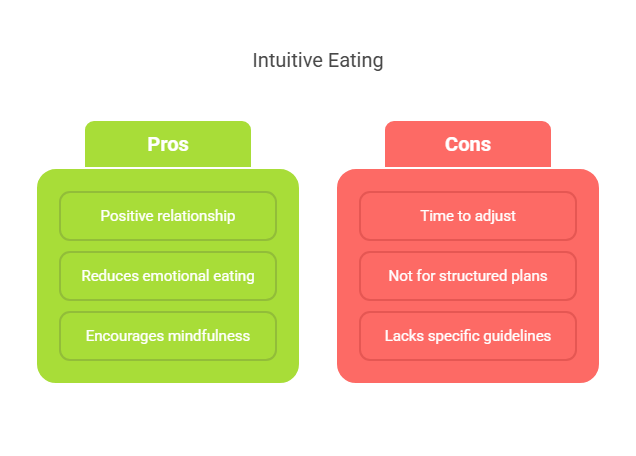
Intuitive Eating is a non-diet approach that encourages individuals to listen to their body’s hunger and fullness cues, promoting a healthier relationship with food.
Pros
- Helps in developing a positive relationship with food and body image.
- Reduces emotional eating and binge eating behaviors.
- Encourages mindfulness and self-compassion in eating habits.
Cons
- May require time to adjust and unlearn previous dieting behaviors.
- Not suitable for those who prefer structured eating plans or have specific dietary needs.
- Does not provide specific guidelines for food choices, which may be challenging for some individuals.
Side-by-Side Breakdown
Approach to Eating
Fasting Discipline involves adhering to specific time-restricted eating periods, commonly known as intermittent fasting. This approach has gained popularity for its potential benefits in weight management and metabolic health.
Intuitive Eating, on the other hand, focuses on eating based on internal hunger and fullness cues without external dietary rules. It encourages individuals to listen to their body’s signals and eat accordingly.
Health Goals
Fasting Discipline is often used for weight management and metabolic health benefits, aiming to improve insulin sensitivity and promote longevity.
Intuitive Eating aims to improve the relationship with food and body image, reduce emotional eating, and foster better long-term dietary choices.
Flexibility and Structure
Fasting Discipline requires adherence to set eating windows, providing less flexibility in eating patterns.
Intuitive Eating offers more flexibility by allowing individuals to eat when they are hungry, based on their body’s cues.
Mindfulness and Body Awareness
Fasting Discipline encourages mindfulness during eating windows, promoting awareness of food choices and portion sizes.
Intuitive Eating promotes mindfulness by listening to the body’s hunger and fullness signals, fostering a deeper connection with one’s body.
Potential Health Benefits
Fasting Discipline may lead to weight loss, improved insulin sensitivity, and potential longevity benefits.
Intuitive Eating can result in improved body image, reduced emotional eating, and better long-term dietary choices.
Considerations and Limitations
Fasting Discipline may not be suitable for everyone and can lead to side effects like hunger, irritability, and social challenges.
Intuitive Eating may require time to adjust and may not be suitable for those needing structured eating plans.
Which One Should You Choose?
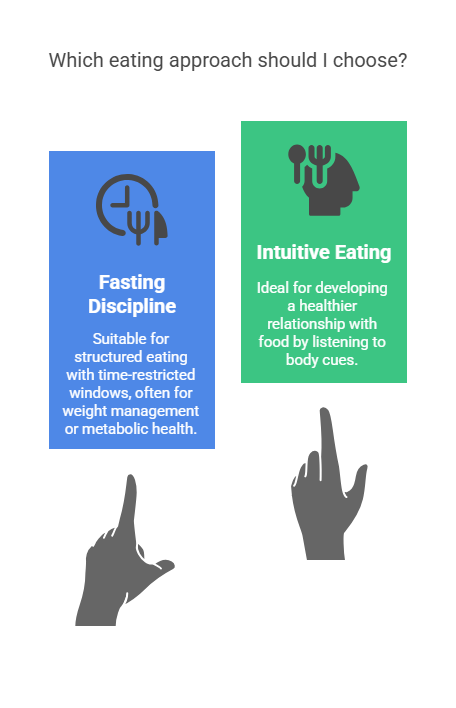
Choosing between Fasting Discipline and Intuitive Eating depends on your individual health goals, lifestyle, and relationship with food.
If you’re seeking a structured approach to eating with specific time-restricted eating windows, often for weight management or metabolic health benefits, Fasting Discipline may be suitable.
If you’re aiming to develop a healthier relationship with food by listening to your body’s hunger and fullness cues, without adhering to external dietary rules, Intuitive Eating might be the right choice.
Fasting Discipline vs Intuitive Eating: The Final Verdict
| Category | Fasting Discipline | Intuitive Eating |
|---|---|---|
| Best for Beginners | Structured approach may be easier for those new to dietary changes. | Requires unlearning previous dieting behaviors, which can be challenging. |
| Best for Power Users | Provides clear guidelines for those who prefer structure. | Offers flexibility for those comfortable with self-regulation. |
| Best Value | May lead to weight loss and metabolic health benefits. | Promotes a positive relationship with food and body image. |
Findings and Recap
In summary, both Fasting Discipline and Intuitive Eating offer unique approaches to health and wellness. Fasting Discipline provides a structured method that may aid in weight management and metabolic health, while Intuitive Eating fosters a positive relationship with food and body image.
Your choice should align with your personal health goals, lifestyle, and readiness to adopt a particular approach.
Ready to embark on your health journey? Explore more about Fasting Discipline and Intuitive Eating to find the path that suits you best.
Related reading: Understanding Intermittent Fasting and Its Benefits
AI Image Prompt: A split-screen image showing a person choosing between two dietary approaches: one side depicting a structured meal plan with specific eating windows, and the other side showing a person listening to their body’s hunger cues, in a calm and mindful setting.
“`html
Frequently Asked Questions
What is the main difference between Fasting Discipline and Intuitive Eating?
Fasting Discipline involves scheduled periods of abstaining from food, often for health or weight management purposes. Intuitive Eating, on the other hand, focuses on listening to your body’s natural hunger and fullness cues, promoting a healthy relationship with food without strict rules or restrictions. ([en.wikipedia.org](https://en.wikipedia.org/wiki/Intuitive_eating?utm_source=openai))
Can Fasting Discipline lead to weight loss?
Yes, Fasting Discipline can result in weight loss by creating a calorie deficit during fasting periods. However, it’s important to approach fasting with caution and consult a healthcare professional before starting any fasting regimen. ([theportugalnews.com](https://www.theportugalnews.com/news/2021-11-01/fasting-vs-intuitive-eating/63276?utm_source=openai))
Is Intuitive Eating effective for weight management?
Intuitive Eating may lead to weight loss or maintenance by fostering a balanced relationship with food and reducing disordered eating behaviors. However, its effectiveness can vary among individuals, and it may not be suitable for everyone. ([en.wikipedia.org](https://en.wikipedia.org/wiki/Intuitive_eating?utm_source=openai))
Are there any health risks associated with Fasting Discipline?
Fasting Discipline can have side effects such as headaches, fatigue, and irritability. It’s crucial to consult with a healthcare provider before starting a fasting regimen to ensure it’s appropriate for your health status. ([theportugalnews.com](https://www.theportugalnews.com/news/2021-11-01/fasting-vs-intuitive-eating/63276?utm_source=openai))
How can I determine if Intuitive Eating is right for me?
Intuitive Eating may be suitable if you’re looking to develop a healthier relationship with food and are willing to listen to your body’s hunger and fullness signals. It’s advisable to consult with a registered dietitian or healthcare professional to assess if this approach aligns with your health goals. ([en.wikipedia.org](https://en.wikipedia.org/wiki/Intuitive_eating?utm_source=openai))
Can Fasting Discipline and Intuitive Eating be combined?
Combining Fasting Discipline with Intuitive Eating is possible, but it requires careful consideration. It’s important to listen to your body’s signals and ensure that fasting periods do not lead to overeating during non-fasting times. Consulting with a healthcare professional can help tailor an approach that suits your individual needs. ([theportugalnews.com](https://www.theportugalnews.com/news/2021-11-01/fasting-vs-intuitive-eating/63276?utm_source=openai))
Which approach is more sustainable for long-term health?
Intuitive Eating is generally considered more sustainable for long-term health as it promotes a balanced relationship with food without restrictive rules. Fasting Discipline may be effective in the short term but can be challenging to maintain over time. It’s essential to choose an approach that aligns with your lifestyle and health goals. ([en.wikipedia.org](https://en.wikipedia.org/wiki/Intuitive_eating?utm_source=openai))
“`
