 Skip to content
Protein Shakes vs Whole Meals After a Fast: Which Refeeds Your Body Best?
What You’ll Learn
In this article, we’ll delve into the nutritional aspects, satiety levels, digestive considerations, convenience, and costs associated with consuming protein shakes versus whole meals after a fasting period. By the end, you’ll have a clear understanding of which option aligns best with your post-fast needs.
Quick Comparison Table
| Feature | Protein Shakes | Whole Meals |
|---|---|---|
| Nutritional Content | High in protein, low in carbs and fats | Balanced mix of proteins, carbs, fats, vitamins, and minerals |
| Satiety | May not provide lasting fullness | Offers greater satiety due to fiber and complex nutrients |
| Preparation Time | Quick and easy to prepare | Requires time for cooking and preparation |
| Cost | Generally more expensive per serving | More cost-effective, especially when prepared at home |
| Digestive Considerations | Easily digestible, but may lack fiber | Contains fiber and a variety of nutrients supporting digestion |
Overview of Protein Shakes
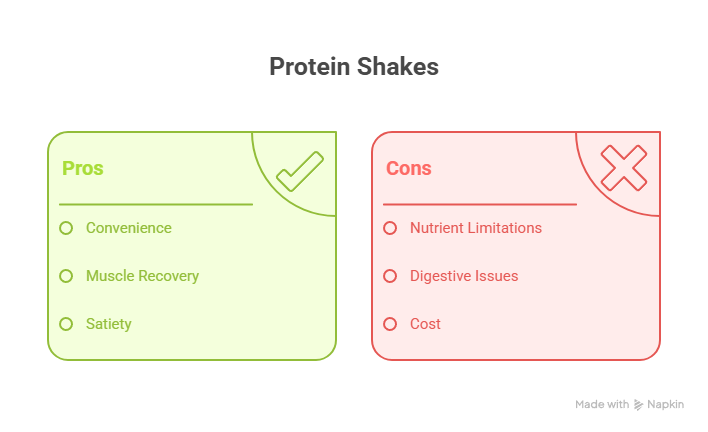
Protein shakes are liquid supplements designed to provide a concentrated source of protein, often used by athletes, bodybuilders, or individuals with busy lifestyles seeking a quick protein boost.
Pros
– **Convenience**: Quick and easy to prepare, making them ideal for on-the-go nutrition.
– **Muscle Recovery**: Aid in muscle repair and growth, especially when consumed post-workout.
– **Satiety**: High protein content can help reduce appetite and prevent overeating.
Cons
– **Nutrient Limitations**: May lack essential nutrients like fiber, vitamins, and minerals found in whole foods.
– **Digestive Issues**: Some individuals may experience bloating or discomfort due to artificial sweeteners or lactose content.
– **Cost**: Generally more expensive per serving compared to whole foods.
Overview of Whole Meals
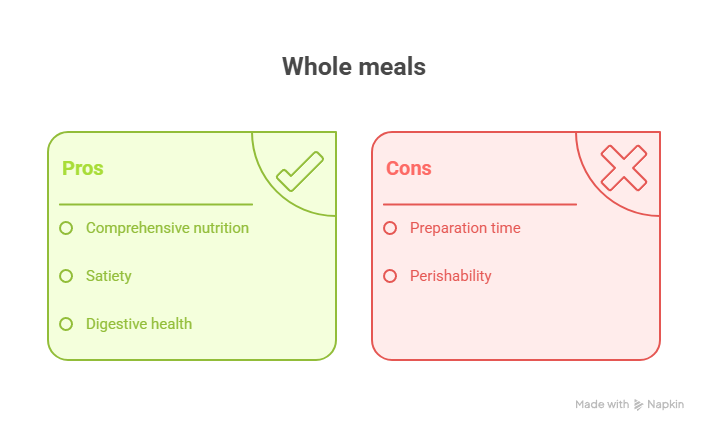
Whole meals consist of unprocessed or minimally processed foods that provide a broad spectrum of nutrients, including proteins, carbohydrates, fats, vitamins, and minerals.
Pros
– **Comprehensive Nutrition**: Offer a balanced mix of macronutrients and micronutrients essential for overall health.
– **Satiety**: High fiber content promotes feelings of fullness, reducing the likelihood of overeating.
– **Digestive Health**: Provide fiber and other nutrients that support healthy digestion.
Cons
– **Preparation Time**: Require time for cooking and preparation, which may not be feasible for everyone.
– **Perishability**: Shorter shelf life compared to protein shakes, necessitating proper storage and timely consumption.
Side-by-Side Breakdown
Nutritional Content
– **Protein Shakes**: Provide a concentrated source of protein with minimal carbohydrates and fats, making them suitable for those needing a quick protein boost.
– **Whole Meals**: Offer a balanced mix of proteins, carbohydrates, fats, vitamins, and minerals, supporting overall health and energy levels.
Satiety
– **Protein Shakes**: While they can reduce appetite, they may not provide lasting fullness due to the lack of fiber and complex nutrients.
– **Whole Meals**: The combination of protein, fiber, and healthy fats in whole meals promotes greater satiety, helping to control hunger and prevent overeating.
Preparation Time
– **Protein Shakes**: Quick and easy to prepare, requiring only mixing the powder with water or another liquid.
– **Whole Meals**: Require time for cooking and preparation, which might not be feasible for everyone, especially those with busy schedules.
Cost
– **Protein Shakes**: Generally more expensive per serving compared to whole foods, which can add up over time.
– **Whole Meals**: More cost-effective, especially when prepared at home, and can be tailored to fit various budgets.
Digestive Considerations
– **Protein Shakes**: Easily digestible, but may lack fiber, which is essential for healthy digestion.
– **Whole Meals**: Contain fiber and a variety of nutrients supporting digestion, promoting regular bowel movements and overall gut health.
Which One Should You Choose?
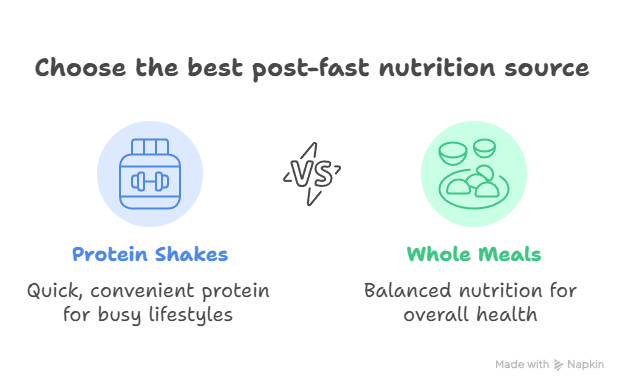
Your choice between protein shakes and whole meals after a fast depends on your individual goals, lifestyle, and nutritional needs.
– **Protein Shakes**: Ideal for individuals seeking a quick, convenient source of protein, such as athletes, bodybuilders, or those with busy lifestyles. They are also beneficial for those needing to increase protein intake without consuming large volumes of food.
– **Whole Meals**: Best for individuals aiming for balanced nutrition, those with time to prepare meals, or those seeking to avoid processed foods. Whole meals provide a broader spectrum of nutrients, including vitamins, minerals, and fiber, supporting overall health and satiety.
Protein Shakes vs Whole Meals: The Final Verdict
| Category | Protein Shakes | Whole Meals |
|———————-|——————————————————————————–|———————————————————————————————–|
| Best for Beginners | Quick and easy protein source for those new to fitness or nutrition. | Provides comprehensive nutrition, ideal for those starting to focus on balanced eating. |
| Best for Power Users | Convenient for athletes needing rapid protein intake post-workout. | Offers sustained energy and satiety, supporting intense training regimens. |
| Best Value | Higher cost per serving; may not be cost-effective for regular use. | More cost-effective, especially when prepared at home, offering better value over time. |
Findings and Recap
In summary, both protein shakes and whole meals have their place in post-fast nutrition. Protein shakes offer convenience and a quick protein boost, making them suitable for those with time constraints or increased protein needs. However, they may lack the comprehensive nutrition and satiety provided by whole meals, which offer a balanced mix of nutrients supporting overall health and digestion.
Consider your individual goals, lifestyle, and nutritional needs when deciding between the two. For optimal health, incorporating a combination of both protein shakes and whole meals into your diet can provide the benefits of convenience and comprehensive nutrition.
Related reading: Maximizing Post-Fast Nutrition: Tips and Recipes
AI Image Prompt: A split-screen image showing a protein shake on one side and a balanced whole meal on the other, symbolizing the choice between convenience and comprehensive nutrition after a fast.
“`html
Frequently Asked Questions
What is the main difference between Protein Shakes and Whole Meals?
Protein shakes are primarily designed to supplement your diet with additional protein, often lacking the comprehensive nutrient profile of whole meals, which provide a balanced mix of proteins, carbohydrates, fats, vitamins, and minerals essential for overall health. ([thenutritionjunky.com](https://thenutritionjunky.com/meal-replacement-vs-protein-shake-whats-the-difference/?utm_source=openai))
Can Protein Shakes replace Whole Meals?
While protein shakes can serve as a convenient source of protein, they are not intended to fully replace whole meals. Whole meals offer a broader spectrum of nutrients, including fiber and essential fats, which are often absent in protein shakes. ([thenutritionjunky.com](https://thenutritionjunky.com/meal-replacement-vs-protein-shake-whats-the-difference/?utm_source=openai))
Are Protein Shakes suitable for weight loss?
Protein shakes can aid in weight loss by providing a low-calorie, high-protein option that promotes satiety. However, they should be used as part of a balanced diet and not as a sole means of nutrition. ([fooddrinktalk.com](https://fooddrinktalk.com/are-protein-shakes-better-than-food/?utm_source=openai))
Do Protein Shakes provide all necessary nutrients?
No, protein shakes typically lack the full range of nutrients found in whole foods, such as vitamins, minerals, and fiber. They are primarily focused on delivering protein and may not offer the comprehensive nutritional benefits of a balanced meal. ([thenutritionjunky.com](https://thenutritionjunky.com/meal-replacement-vs-protein-shake-whats-the-difference/?utm_source=openai))
When should I choose a Protein Shake over a Whole Meal?
Protein shakes are ideal when you need a quick, convenient source of protein, such as post-workout recovery or as a supplement to your diet. However, they should not replace whole meals, which provide a more complete nutrient profile. ([thenutritionjunky.com](https://thenutritionjunky.com/meal-replacement-vs-protein-shake-whats-the-difference/?utm_source=openai))
Can Protein Shakes be used as meal replacements?
Protein shakes are not designed to replace full meals. While they can be part of a balanced diet, they lack the necessary nutrients to serve as a complete meal replacement. ([thenutritionjunky.com](https://thenutritionjunky.com/meal-replacement-vs-protein-shake-whats-the-difference/?utm_source=openai))
Are there any potential drawbacks to consuming Protein Shakes?
Potential drawbacks of consuming protein shakes include nutrient deficiencies if relied upon exclusively, digestive discomfort in some individuals, and the possibility of consuming added sugars and artificial ingredients found in some commercial products. ([easyhealthyfoods.com](https://easyhealthyfoods.com/are-protein-shakes-as-good-as-food/?utm_source=openai))
“`
